No products found.
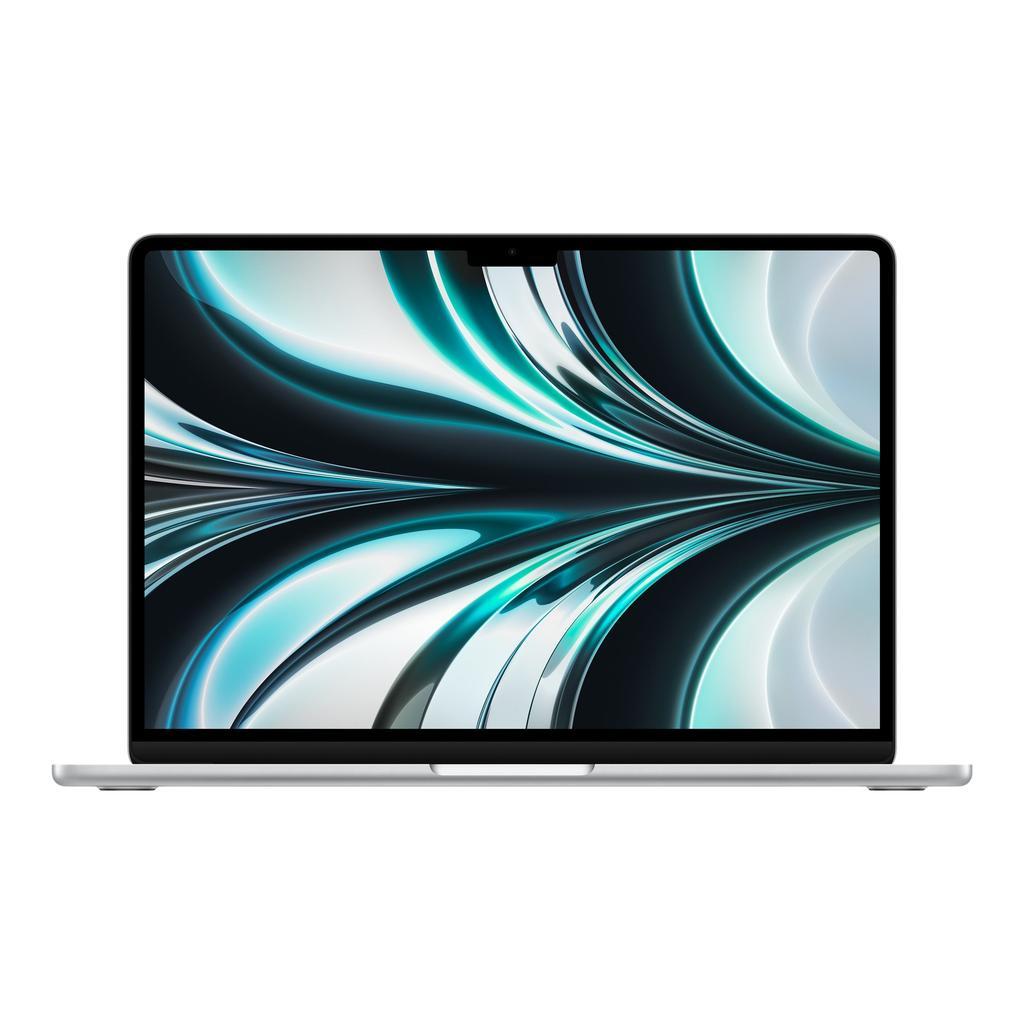
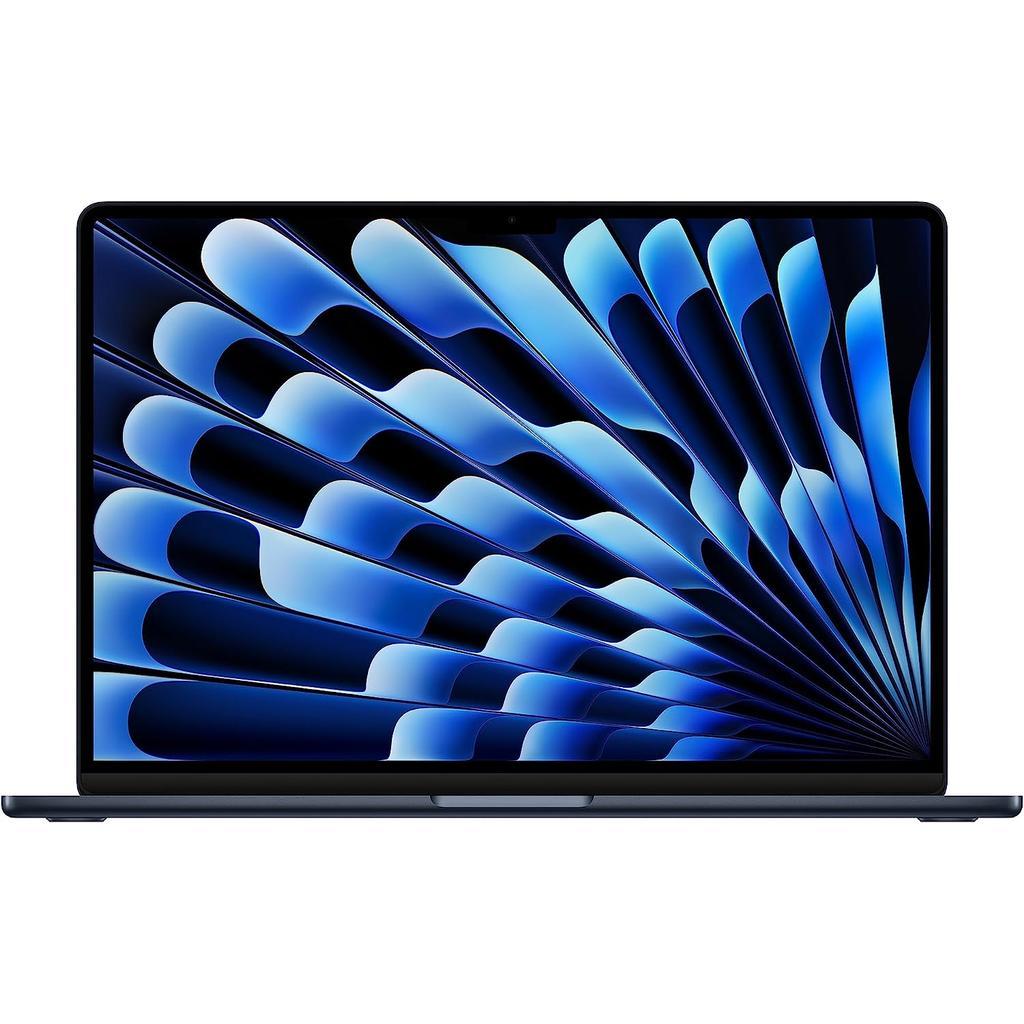
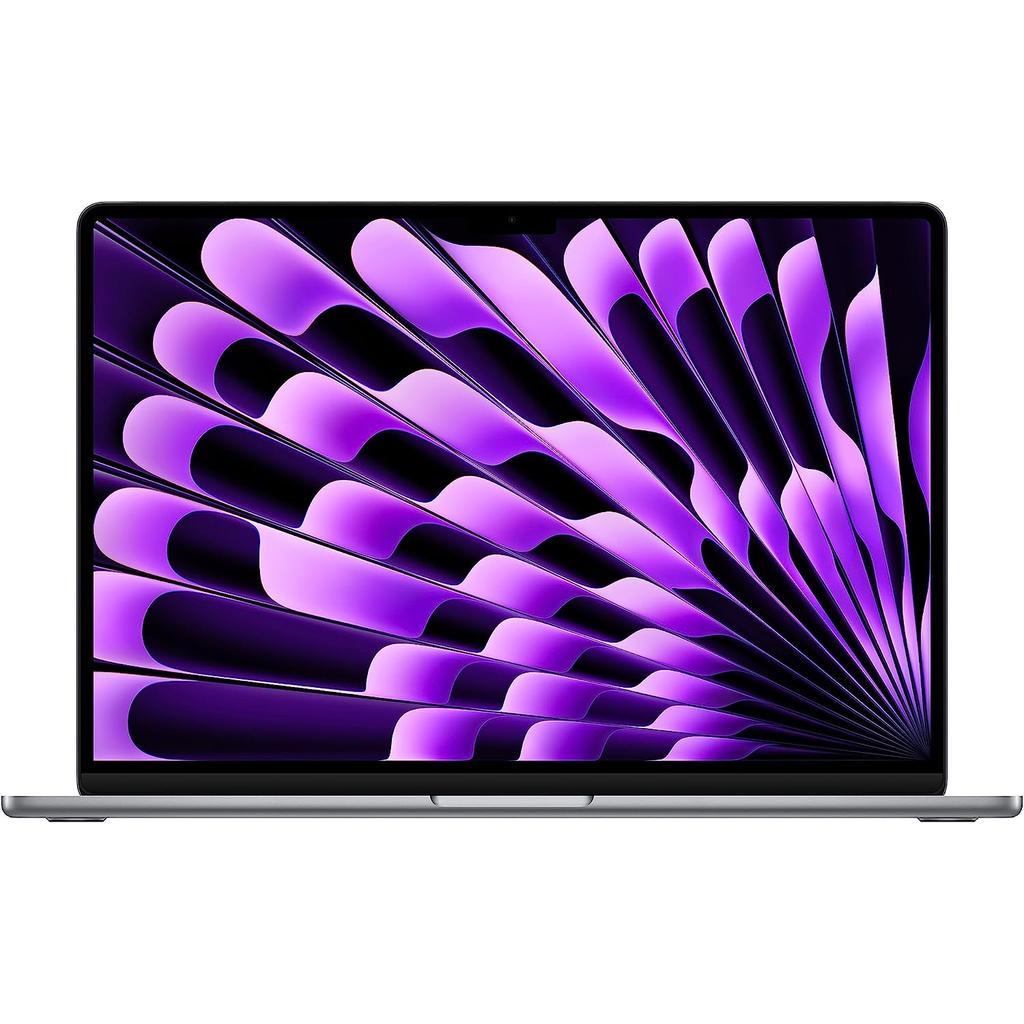
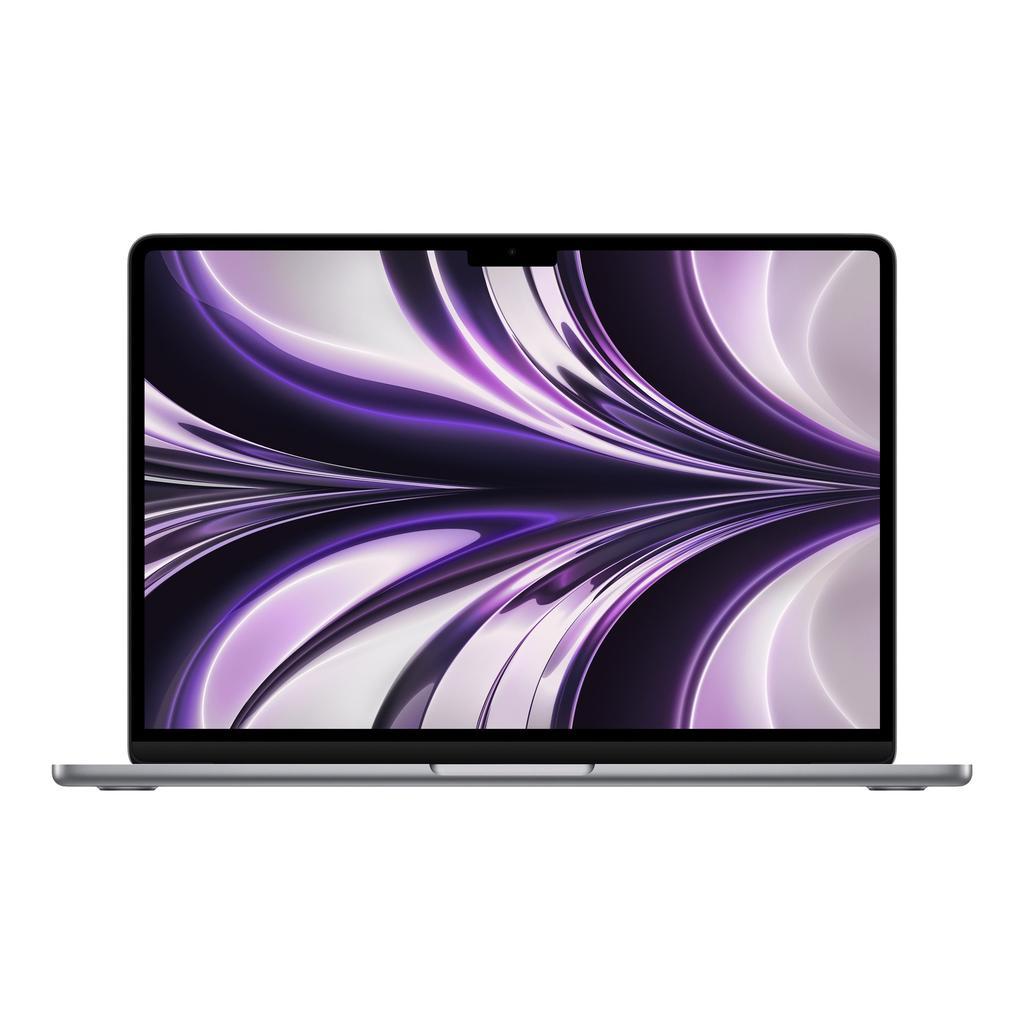
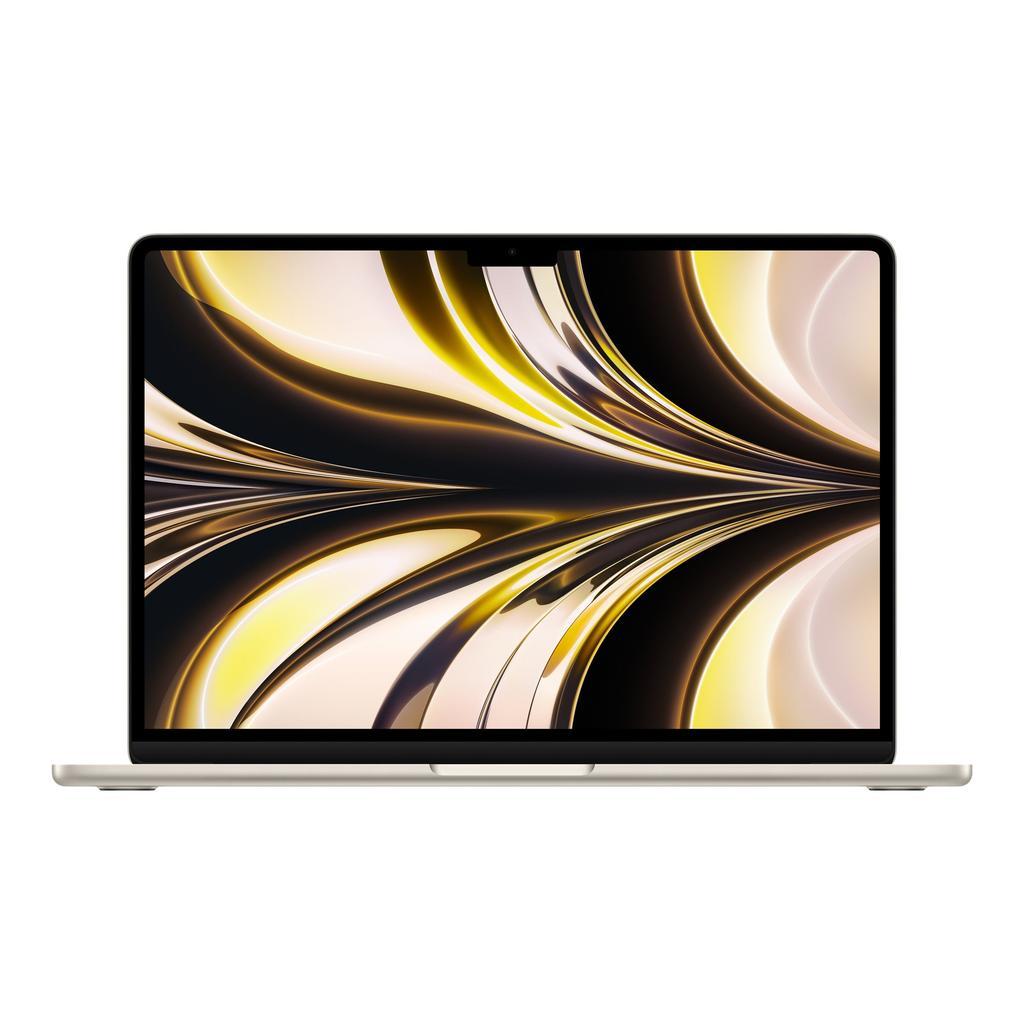
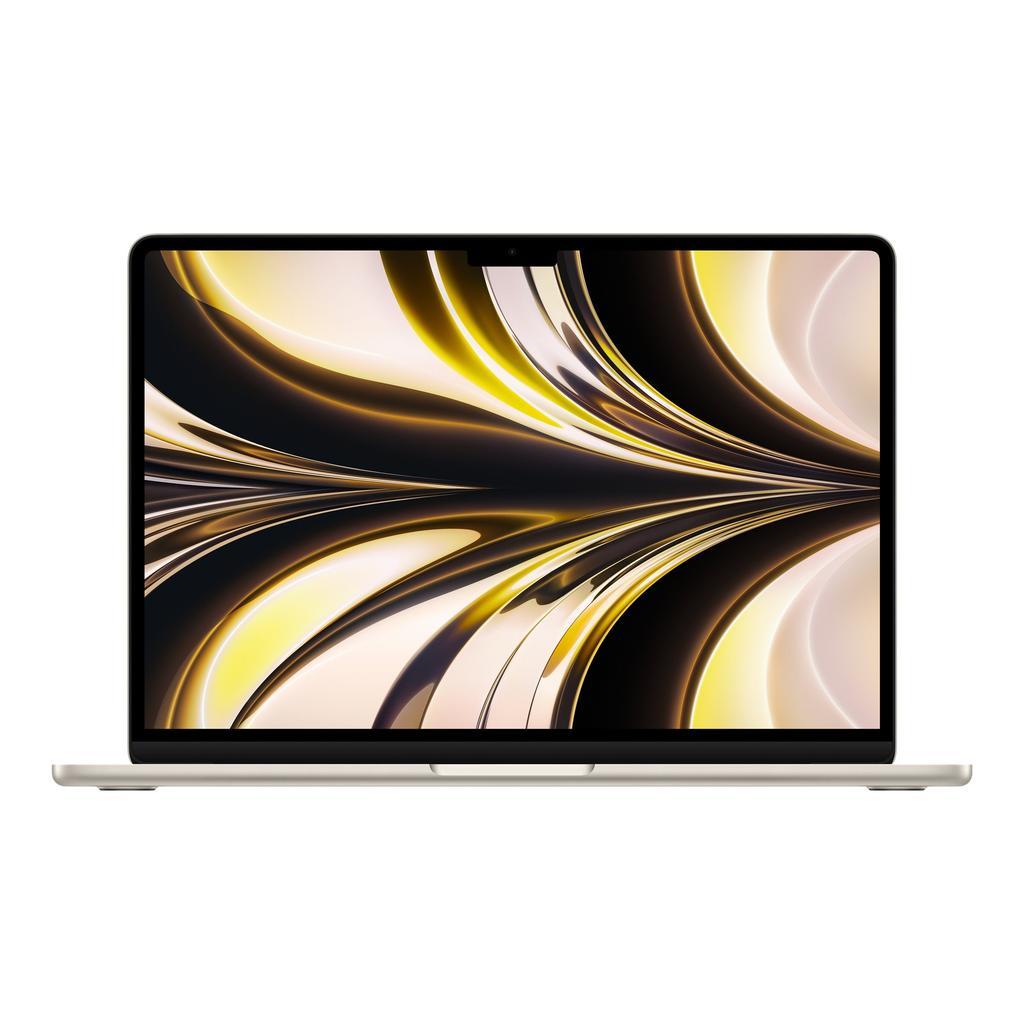
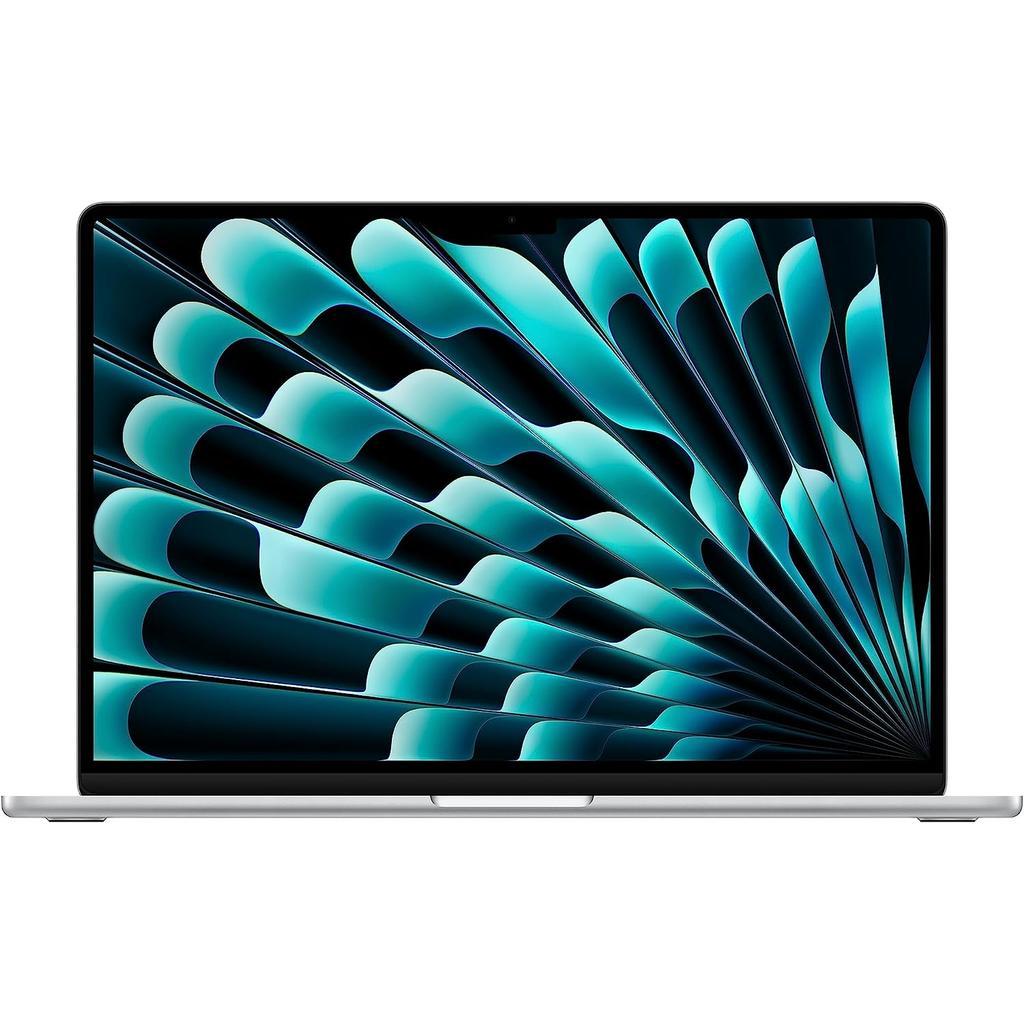
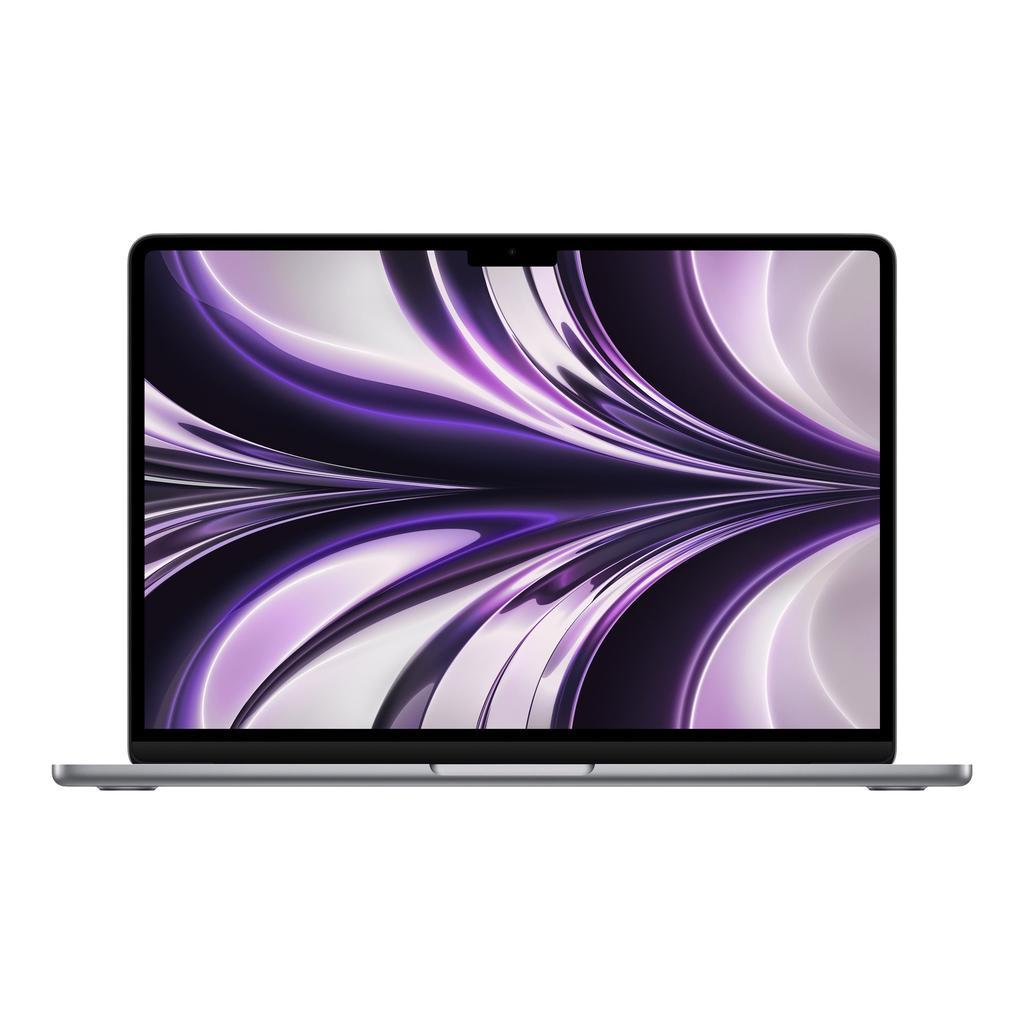
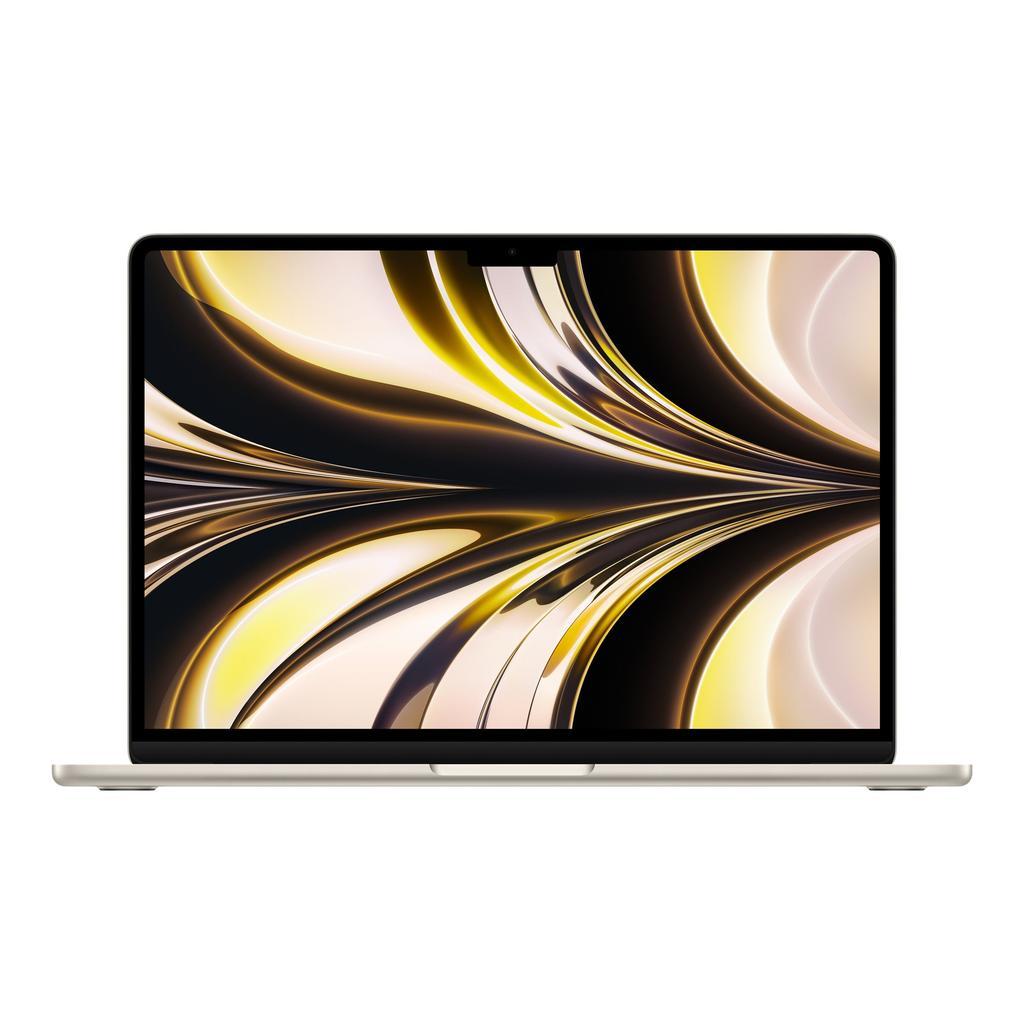
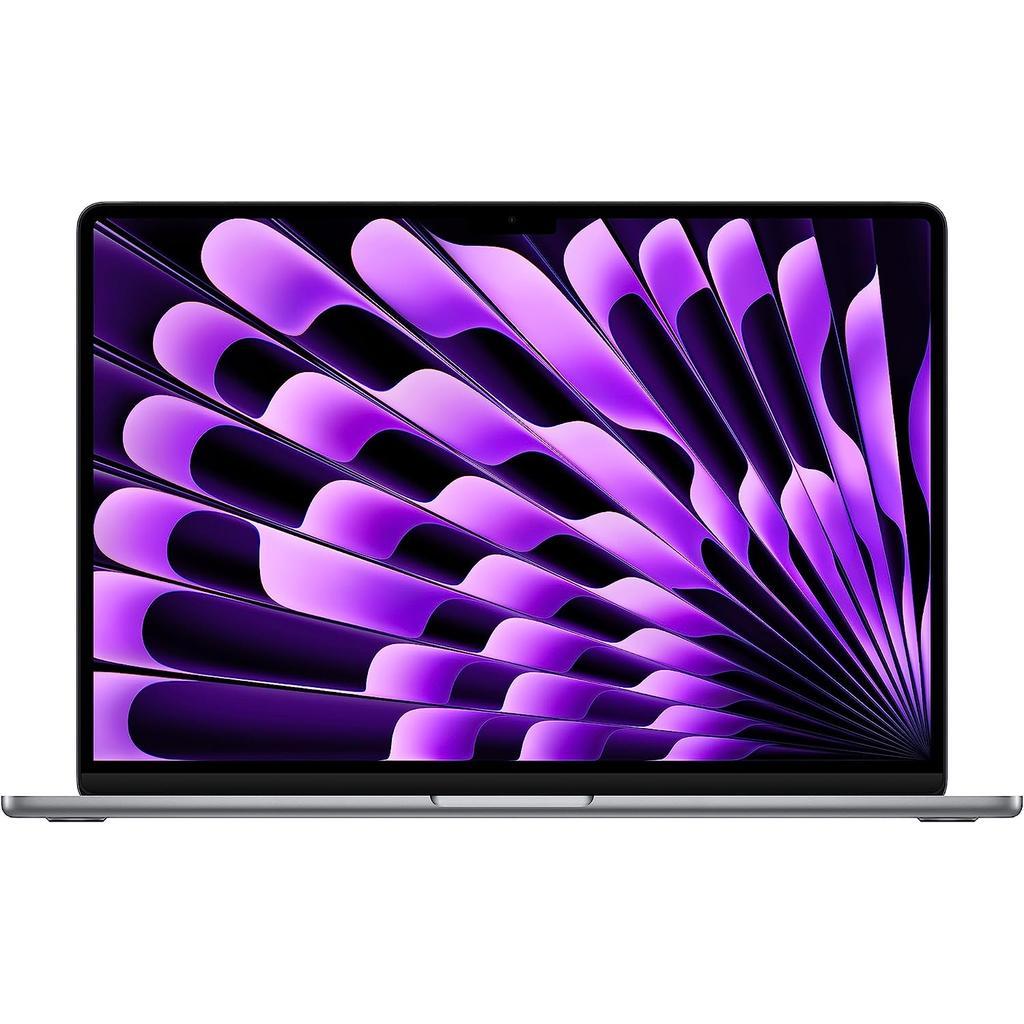
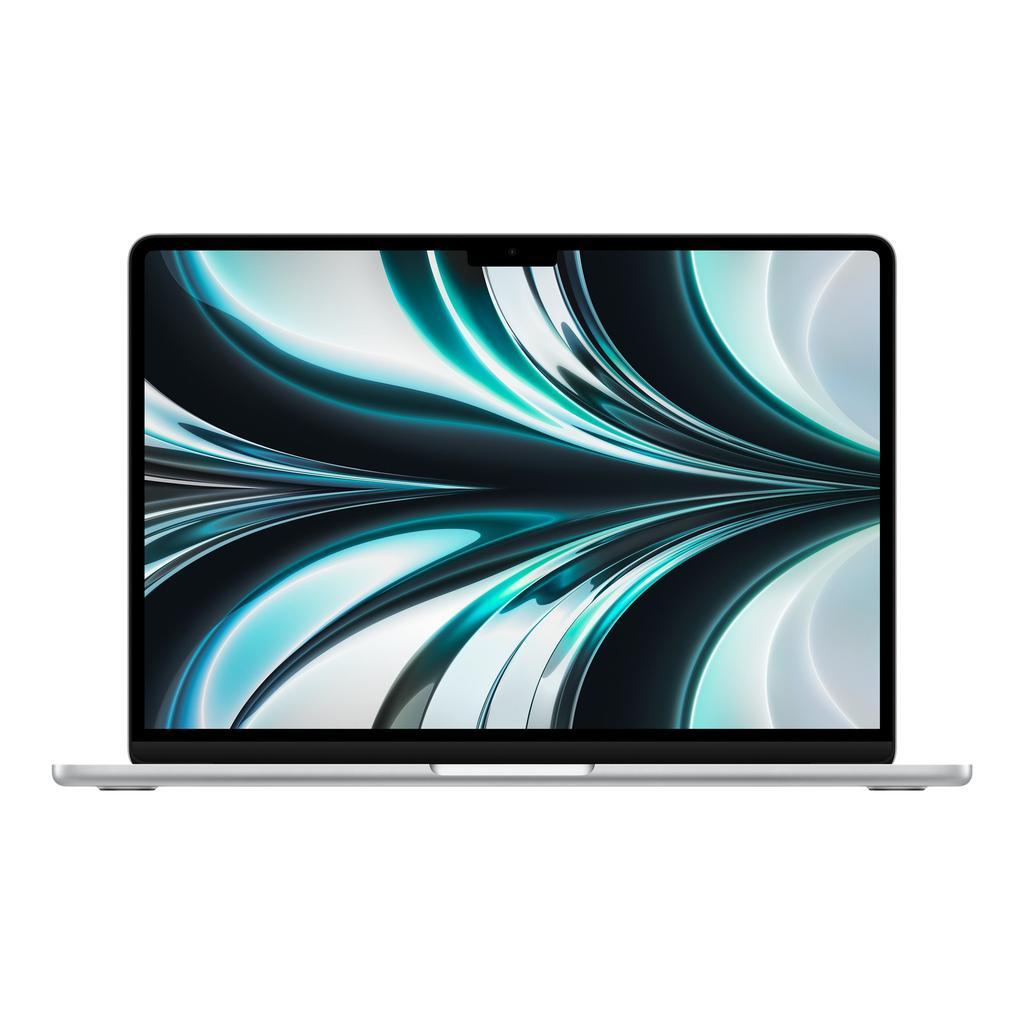
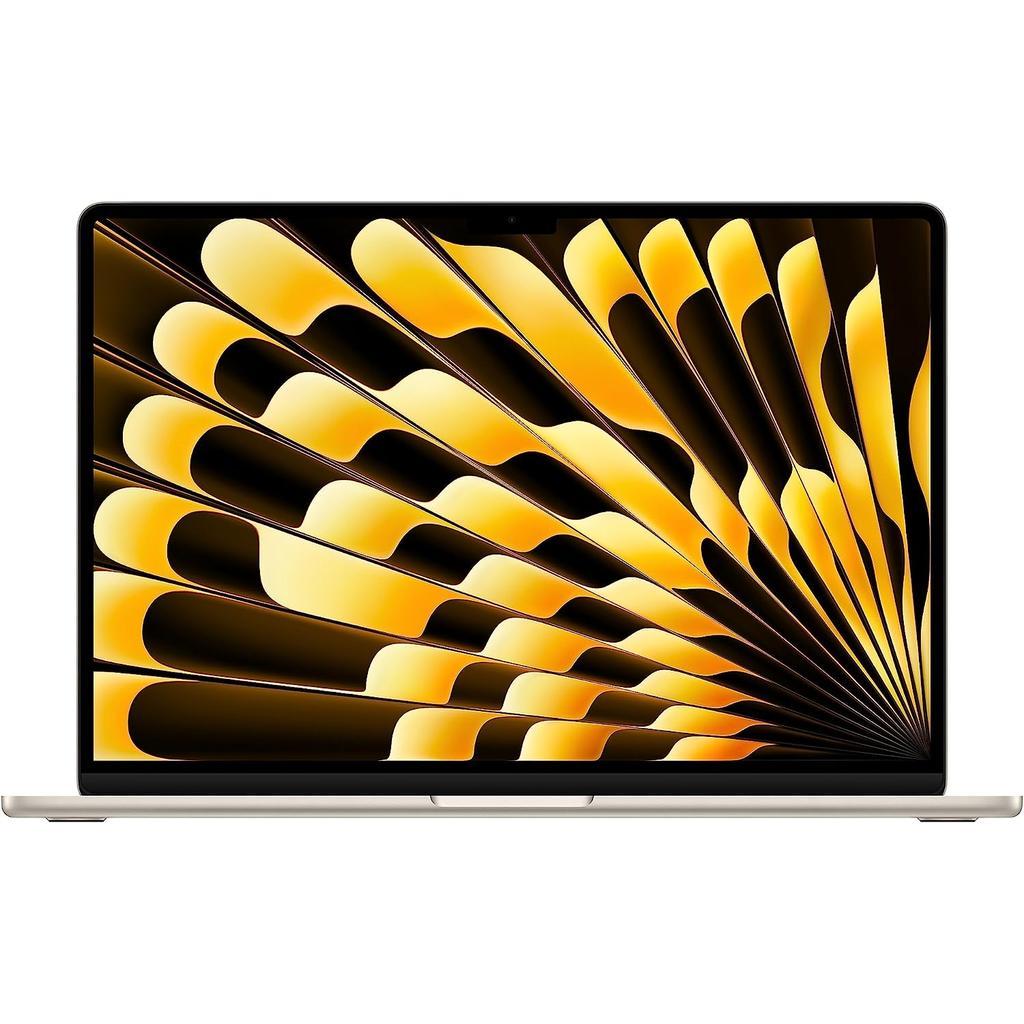
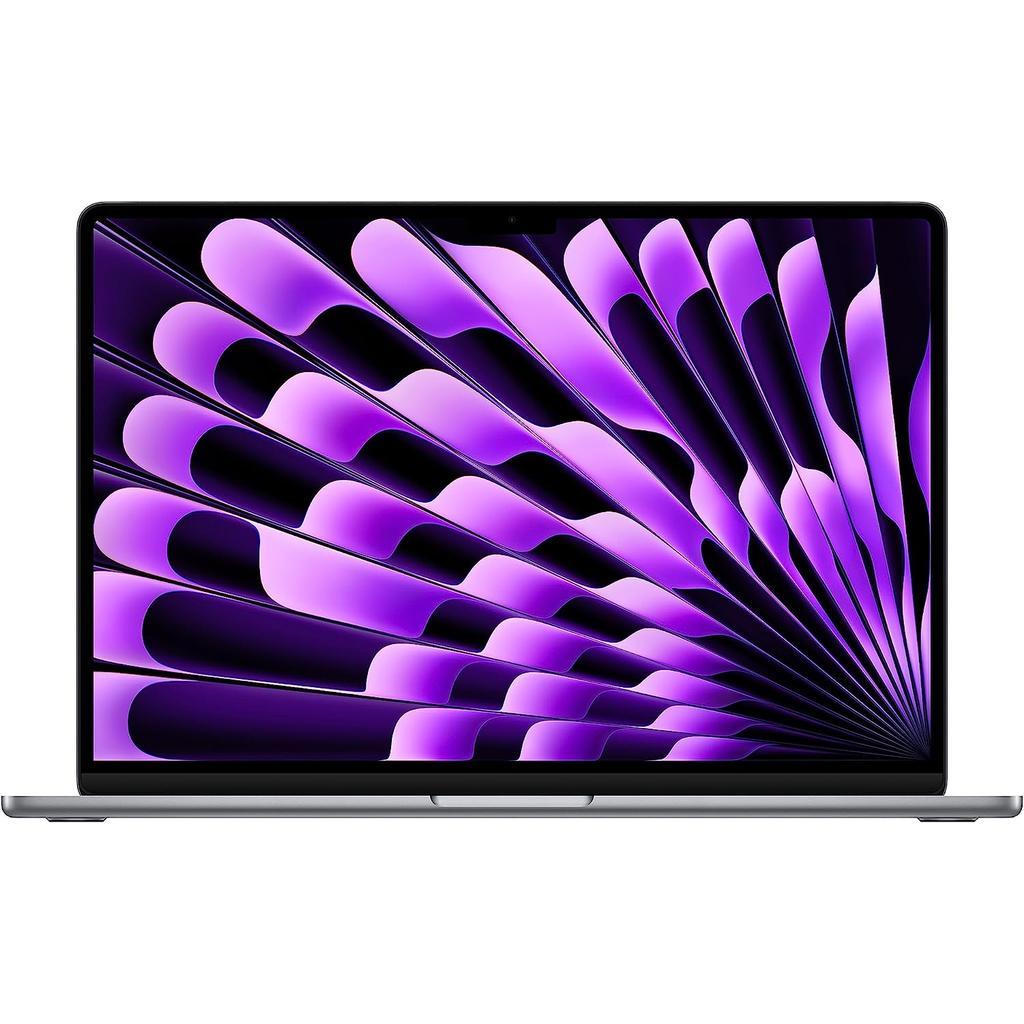
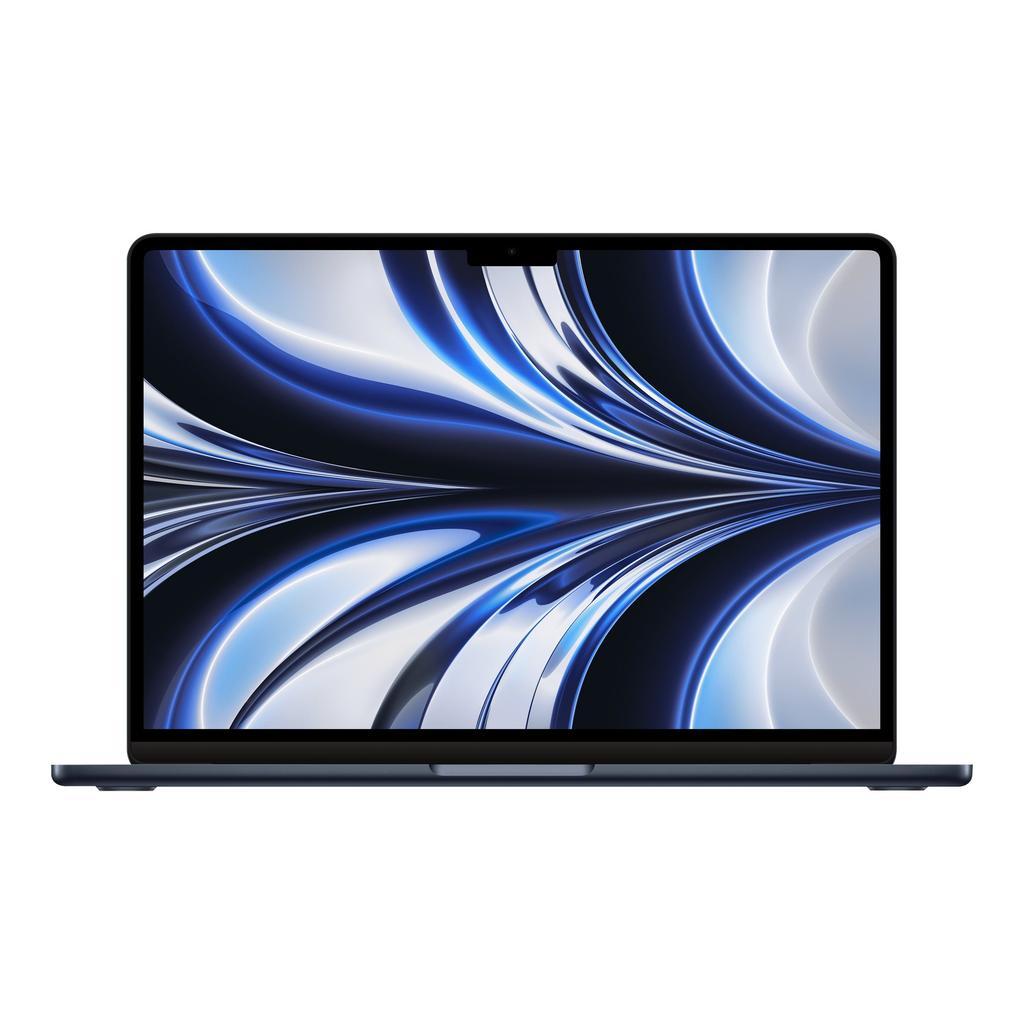
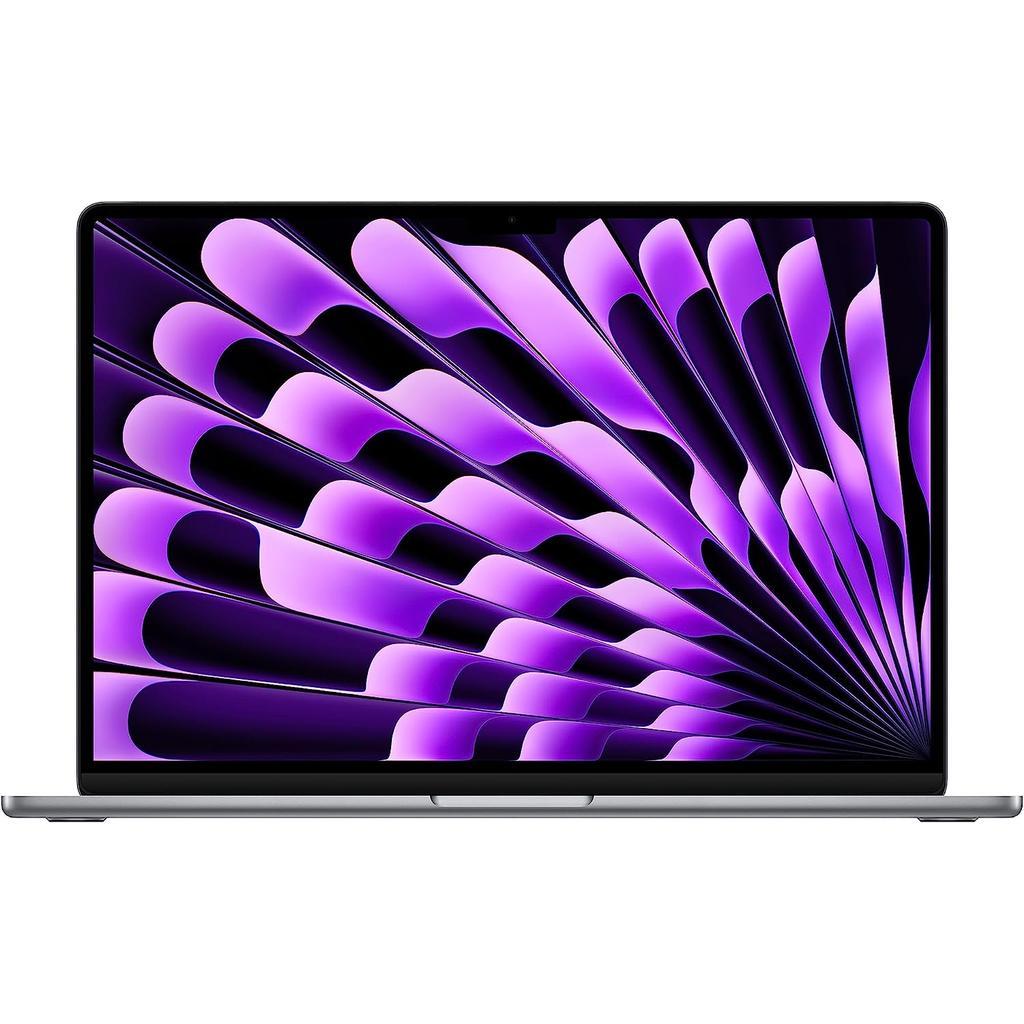
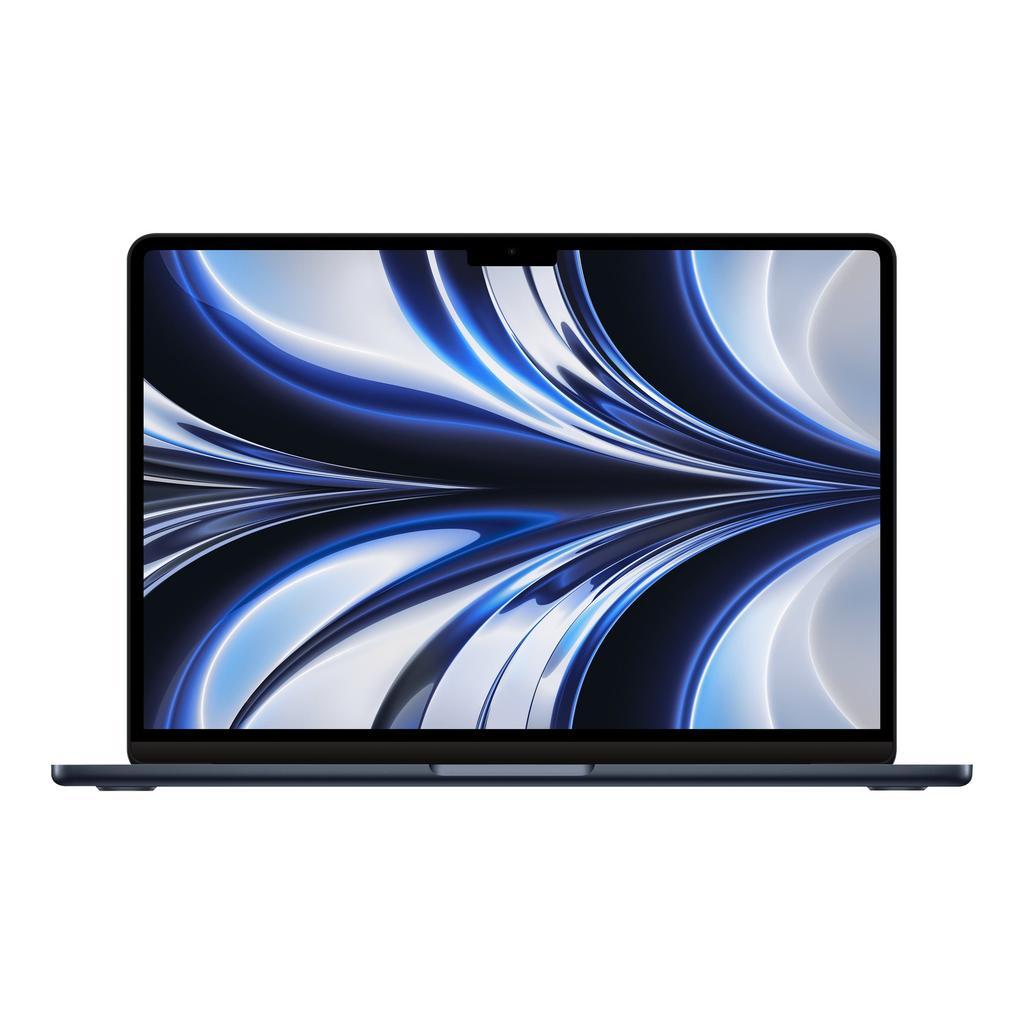
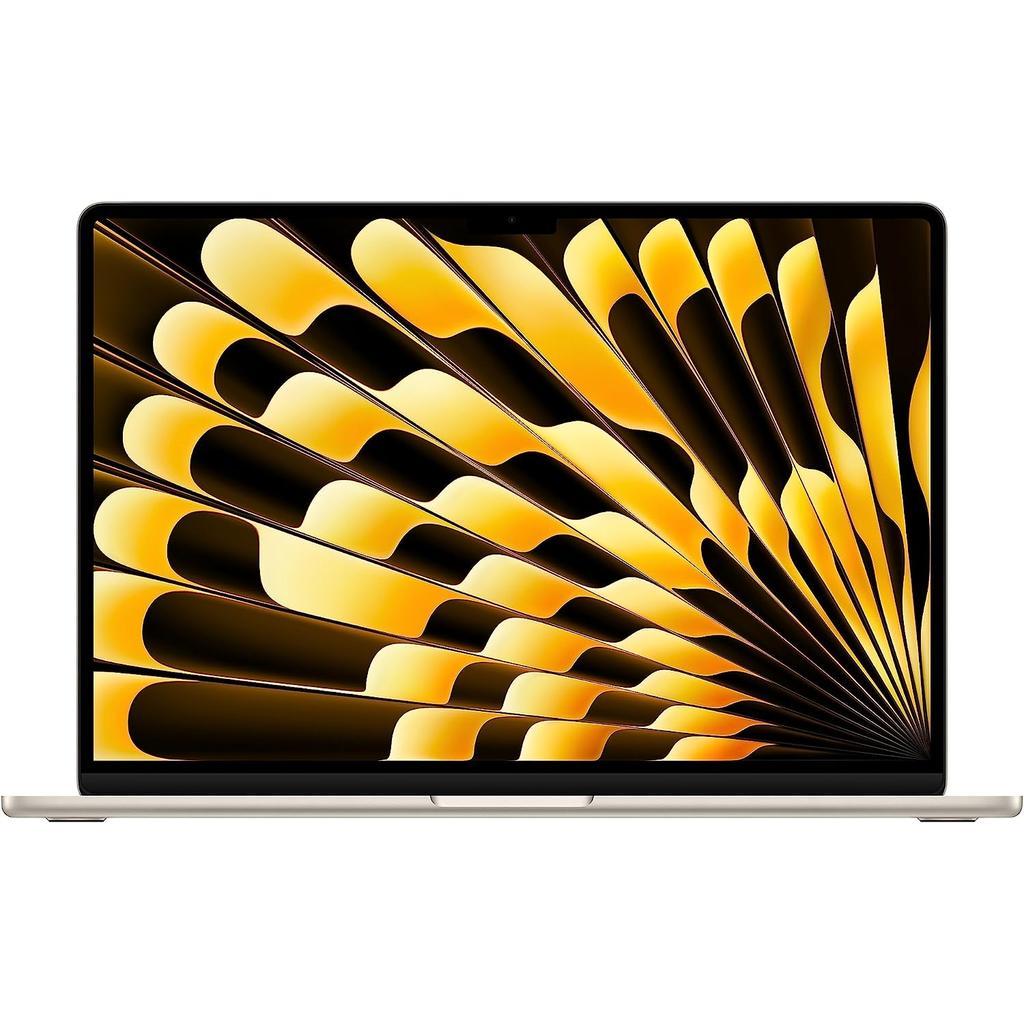
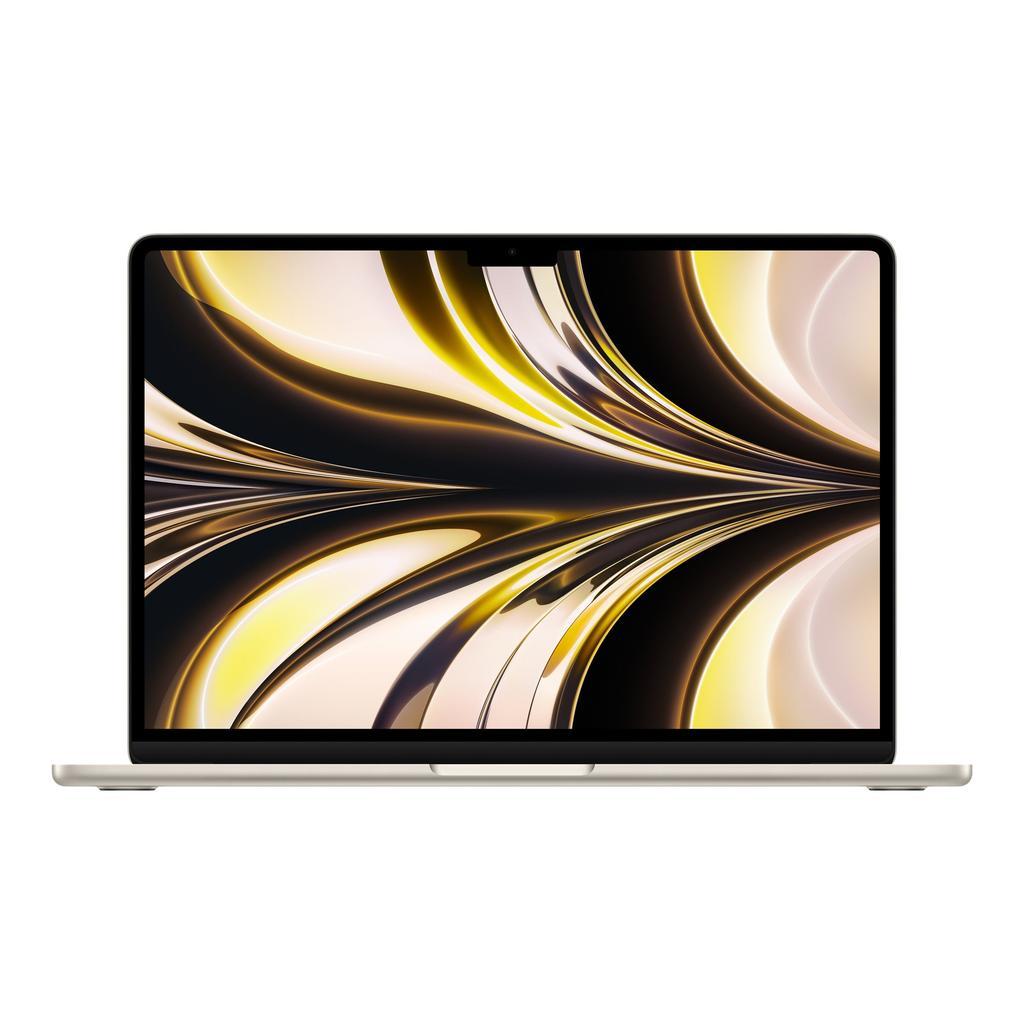
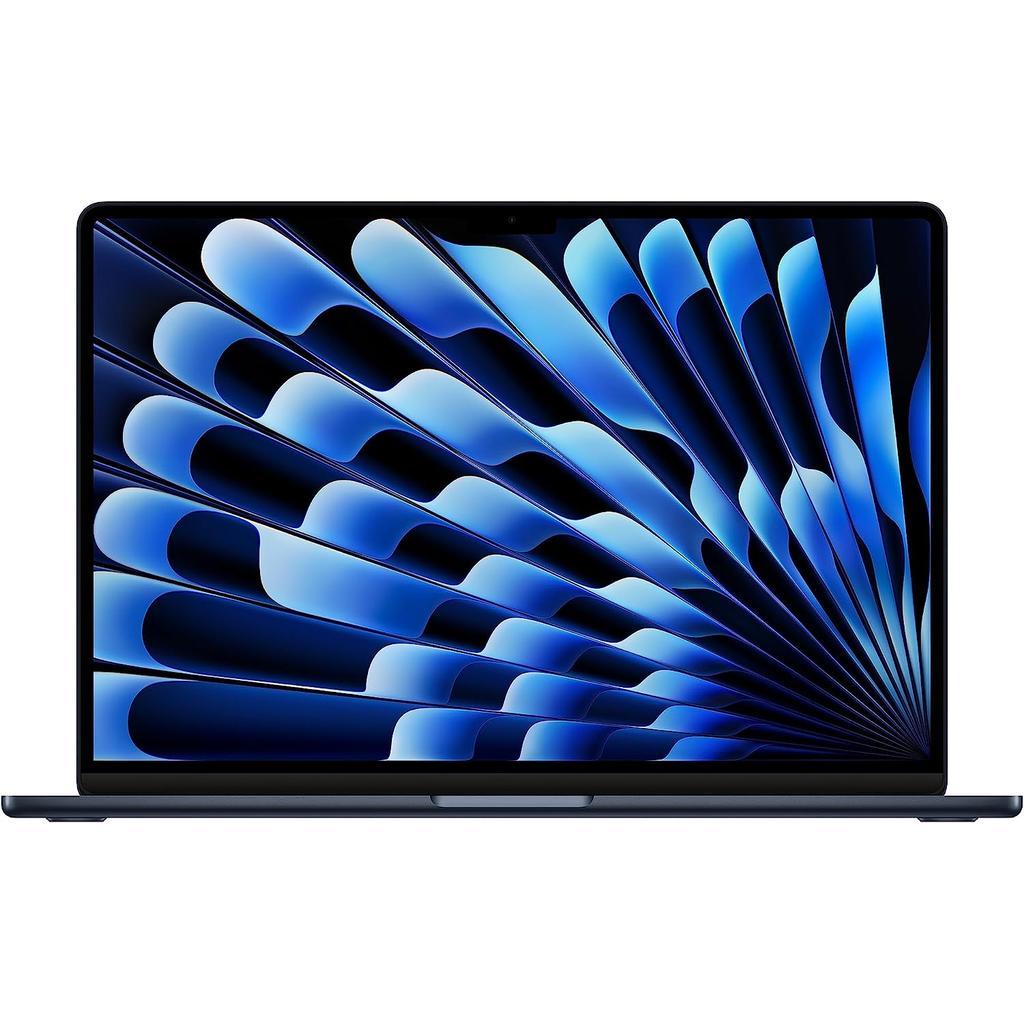
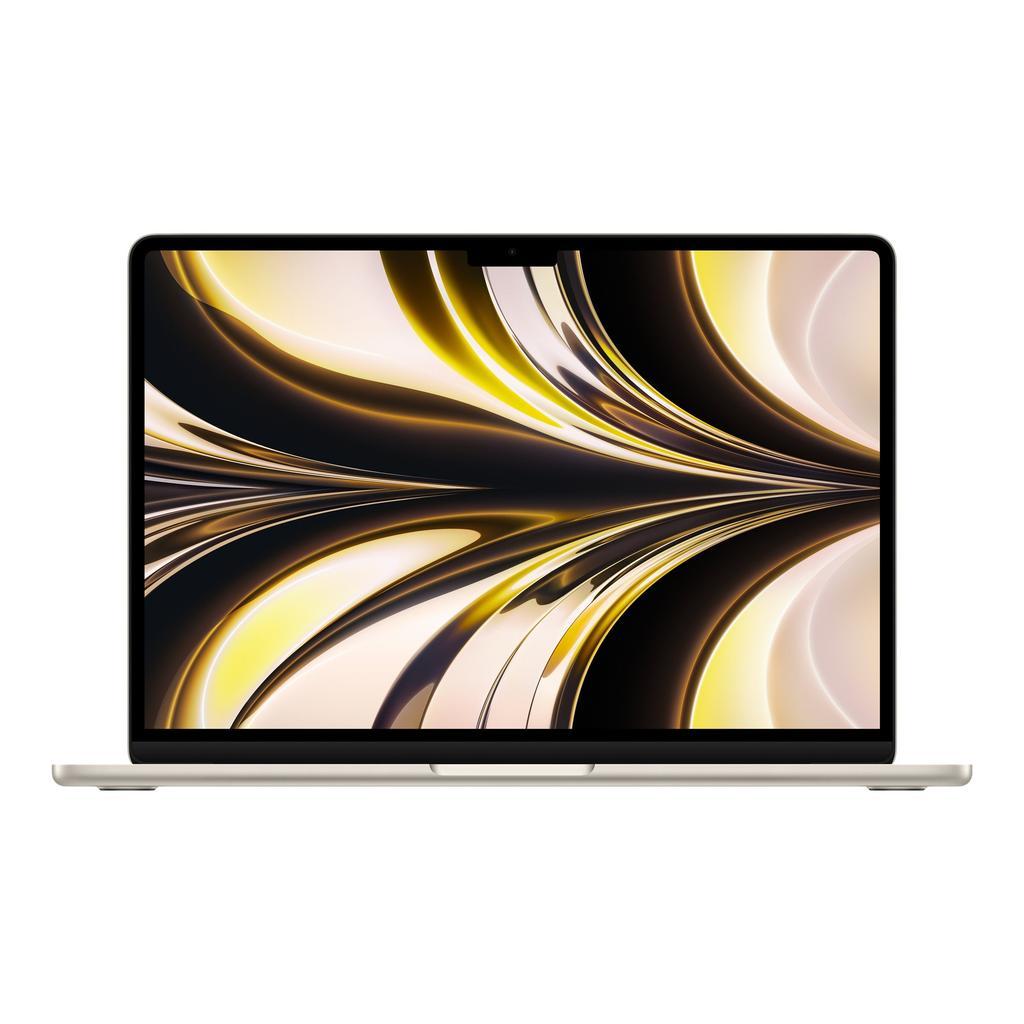
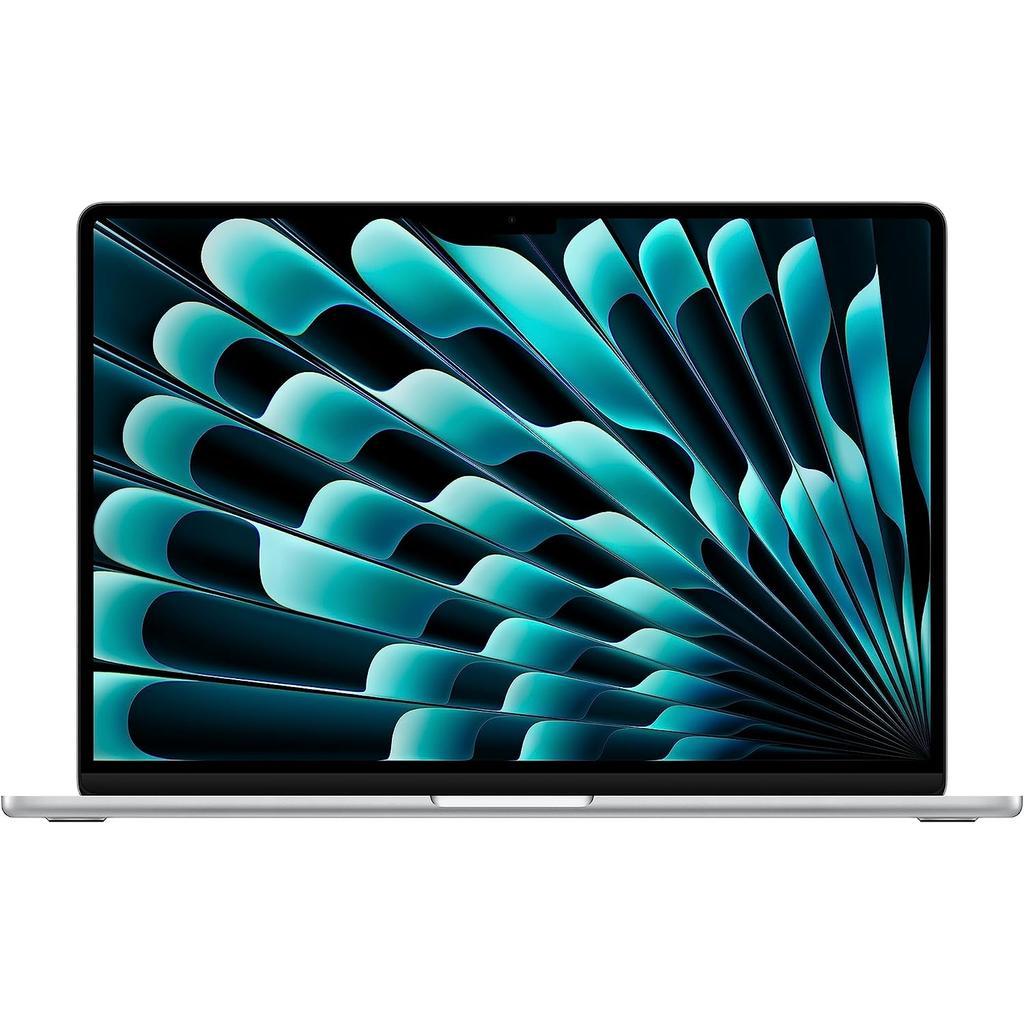
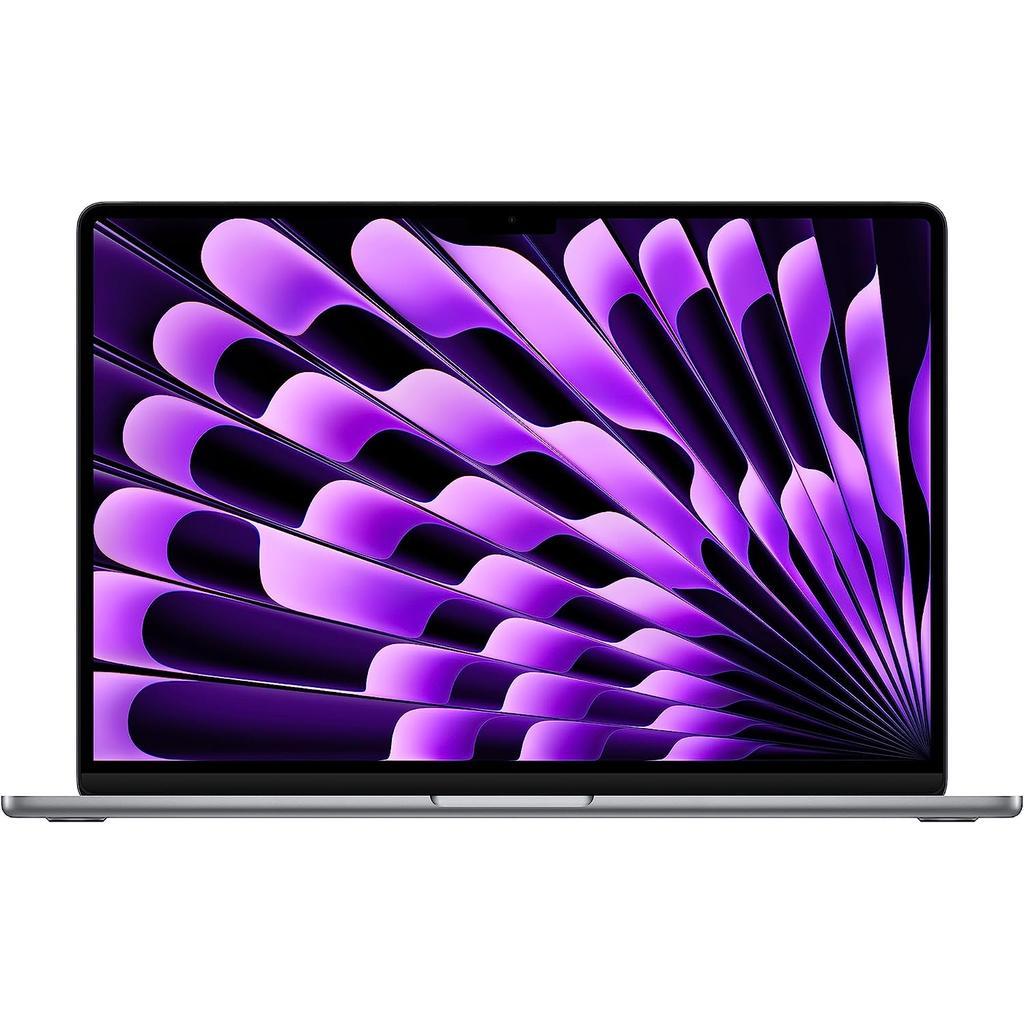
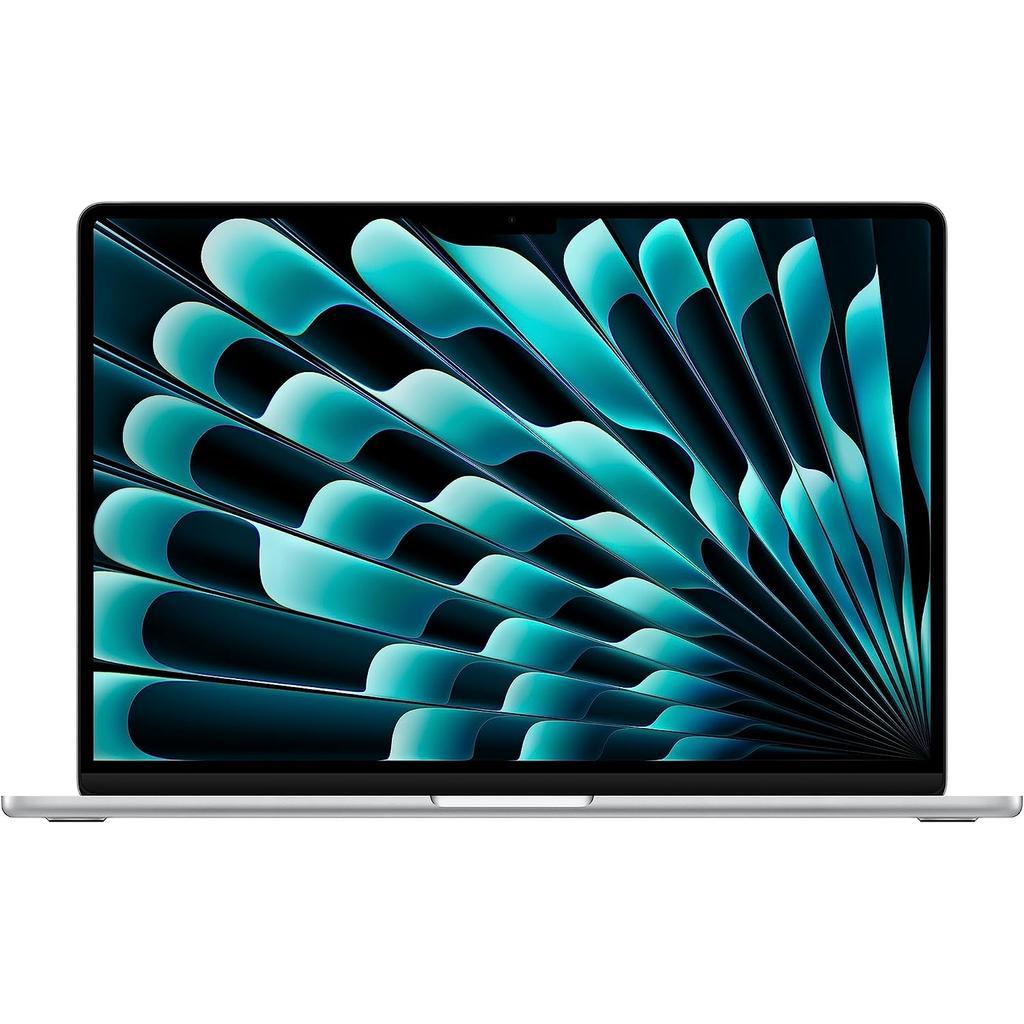
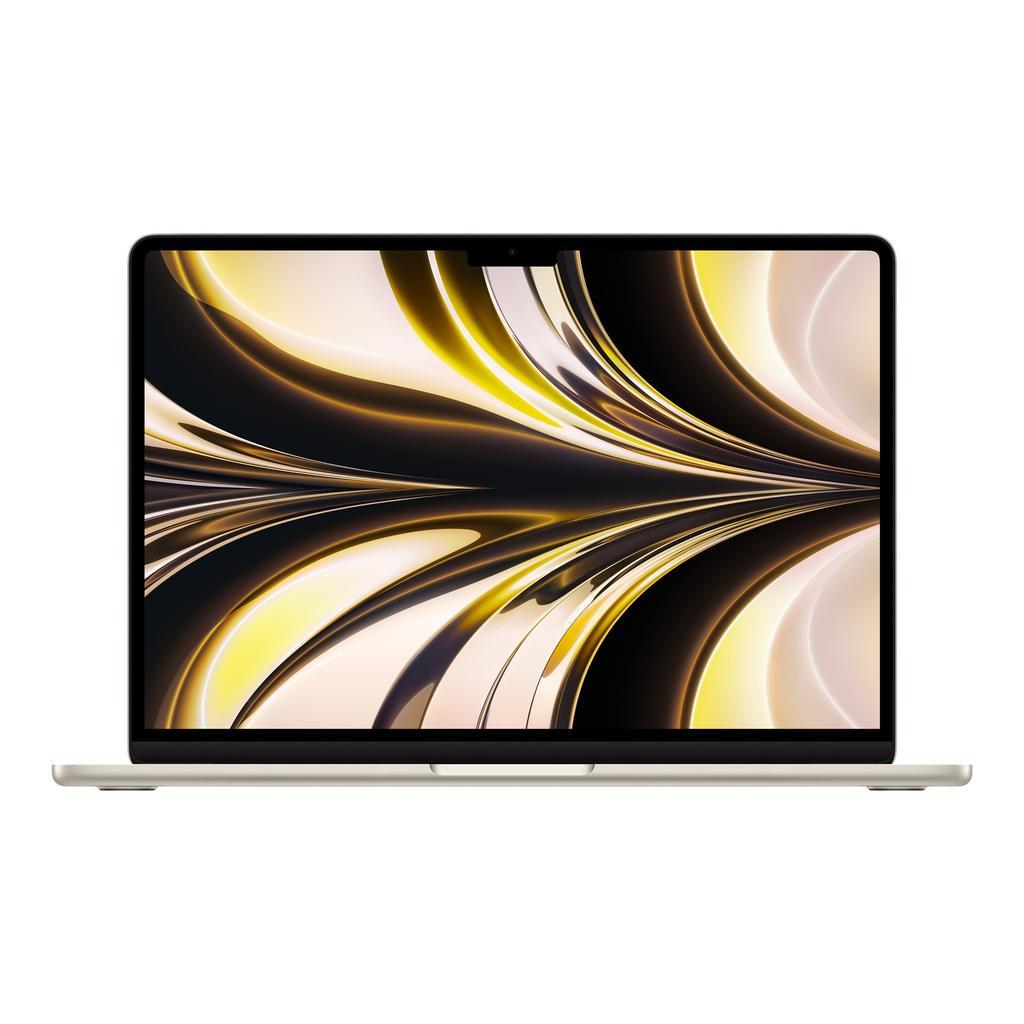
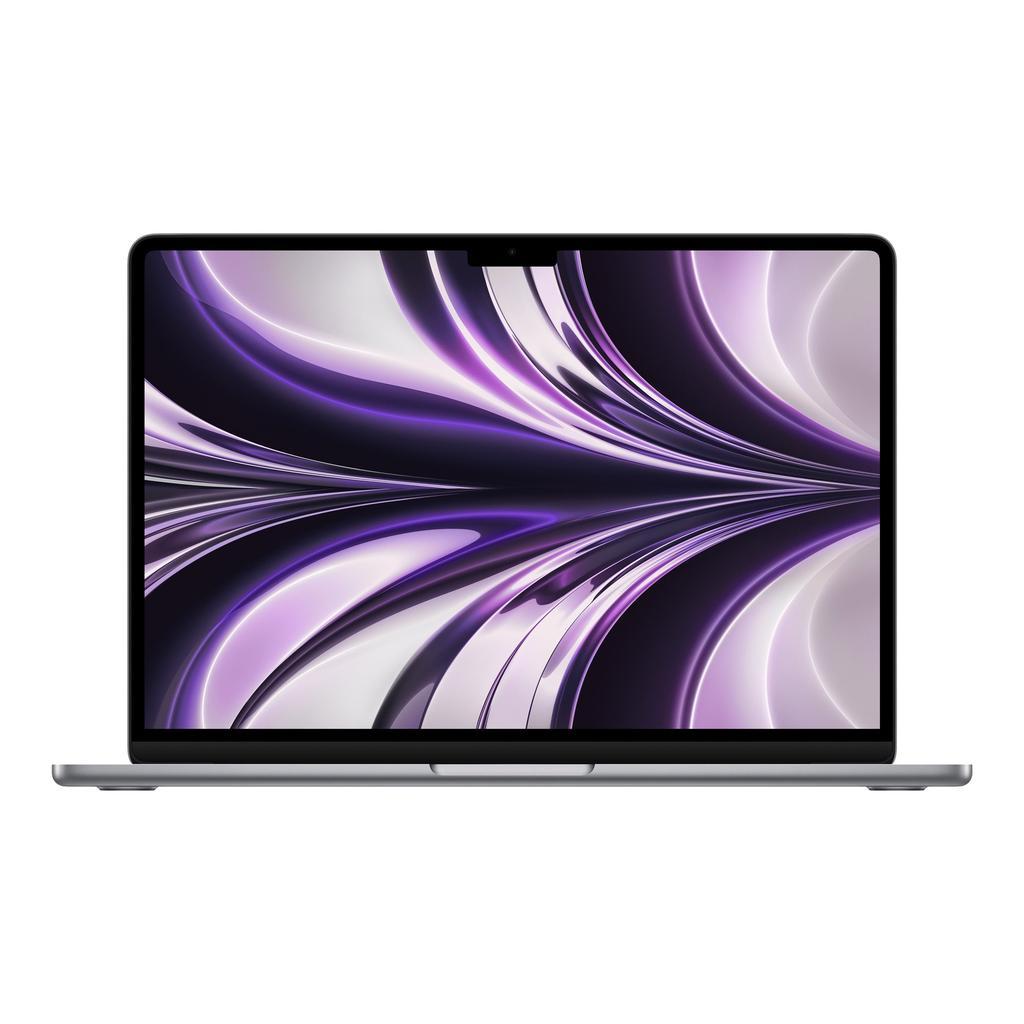
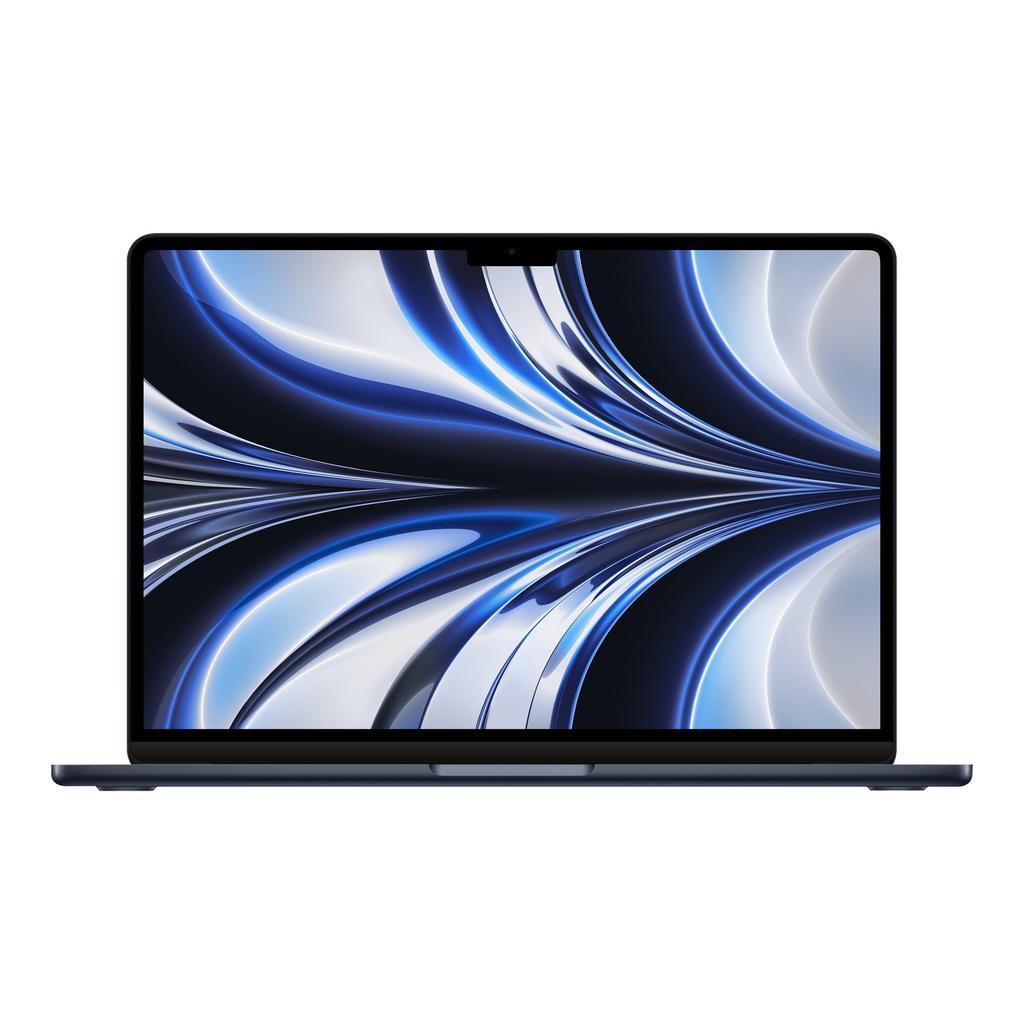
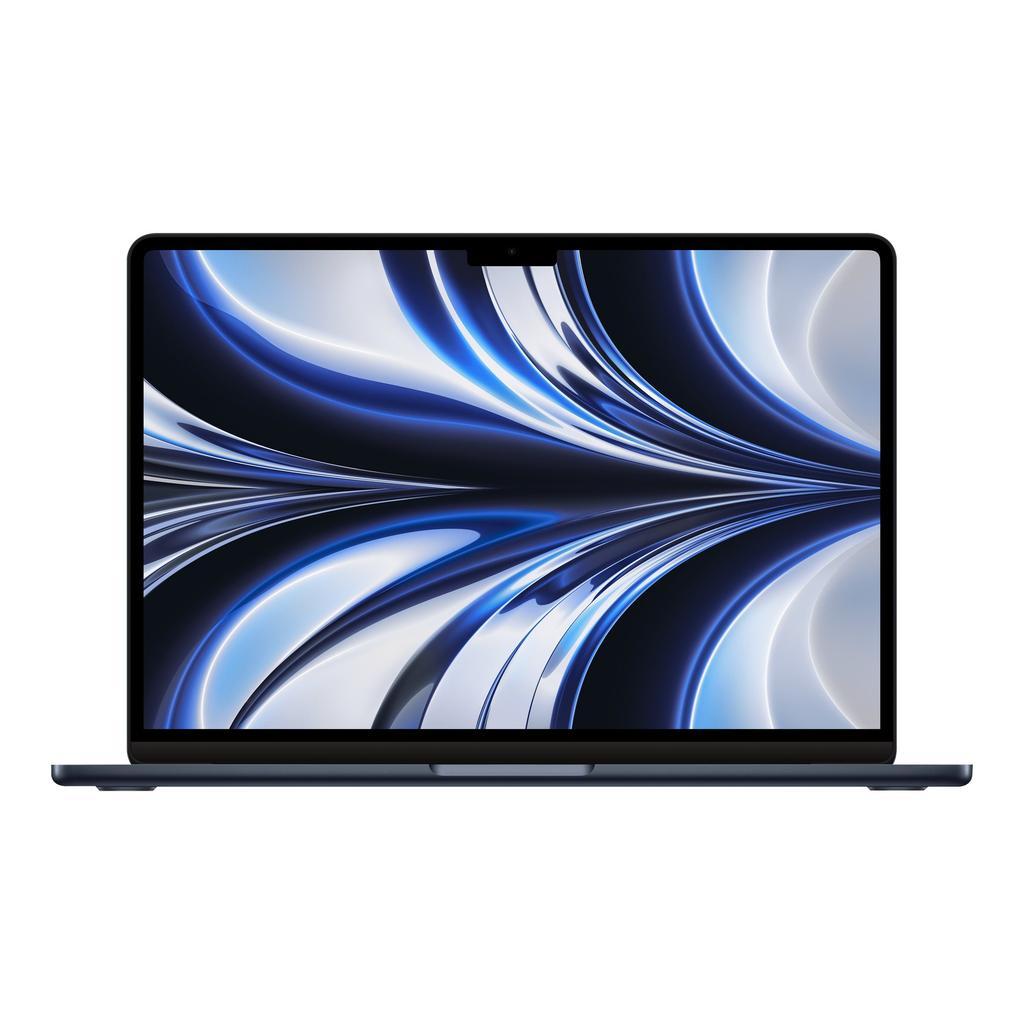
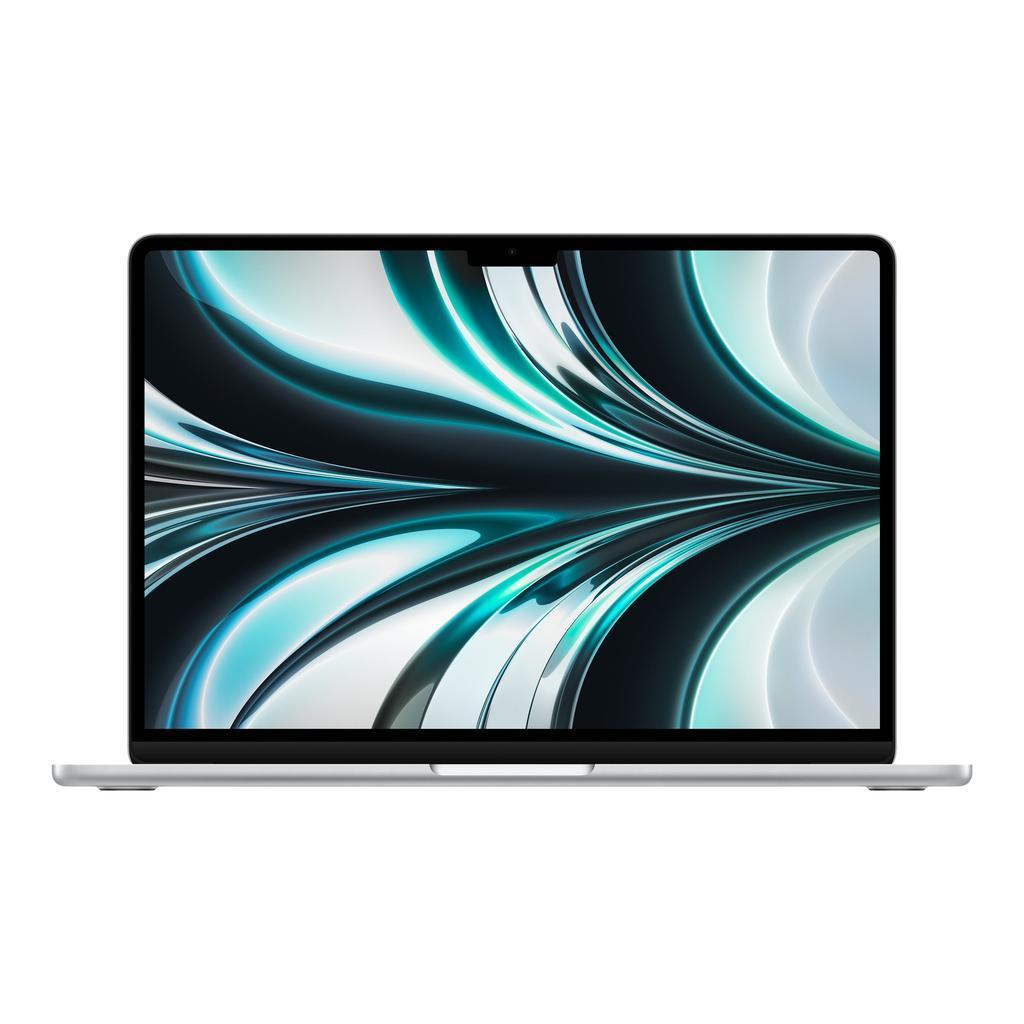
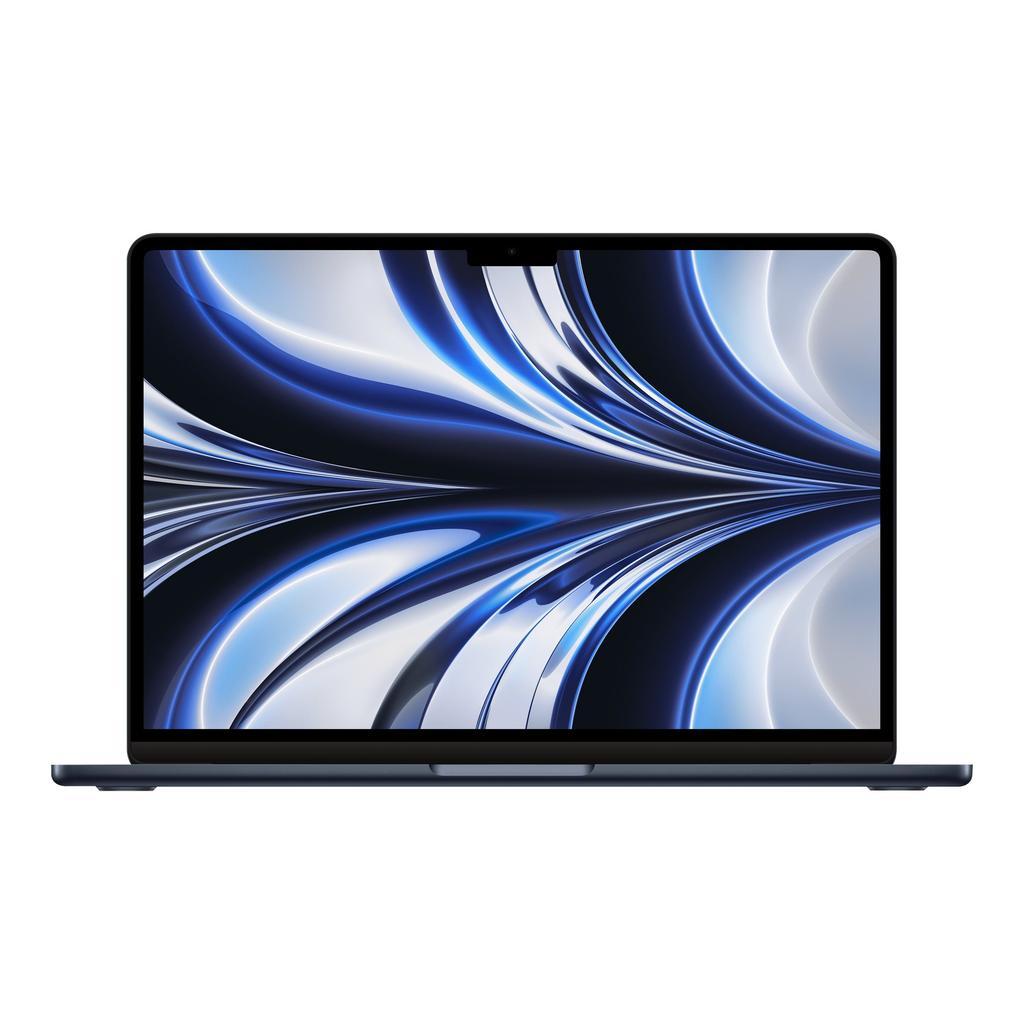
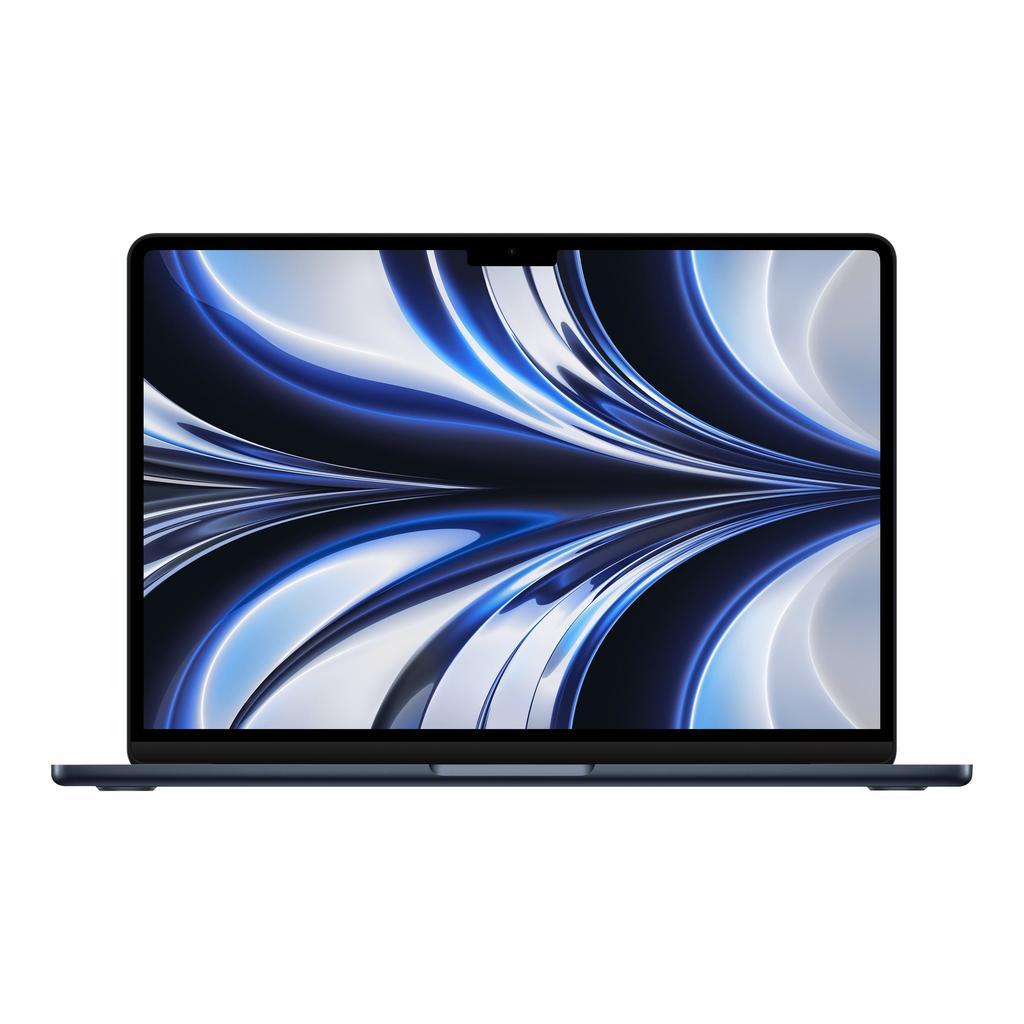
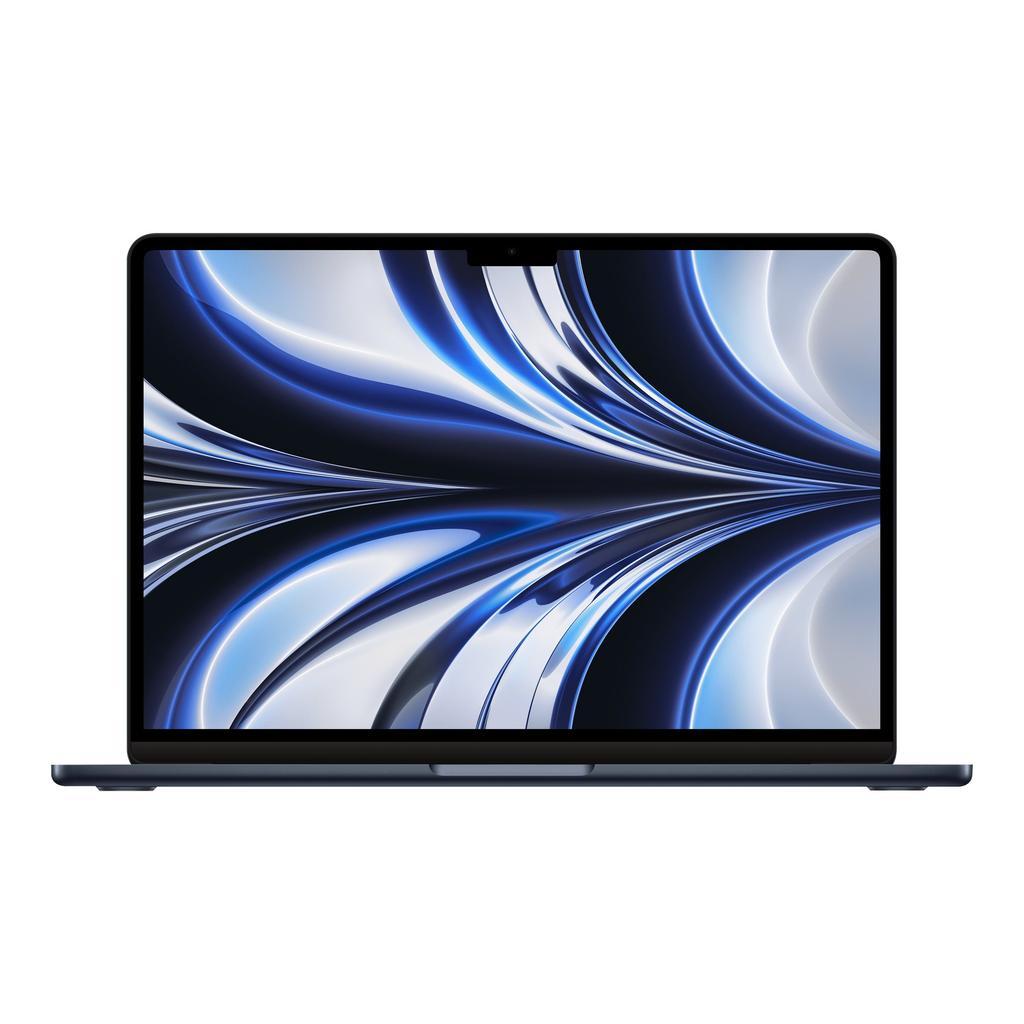
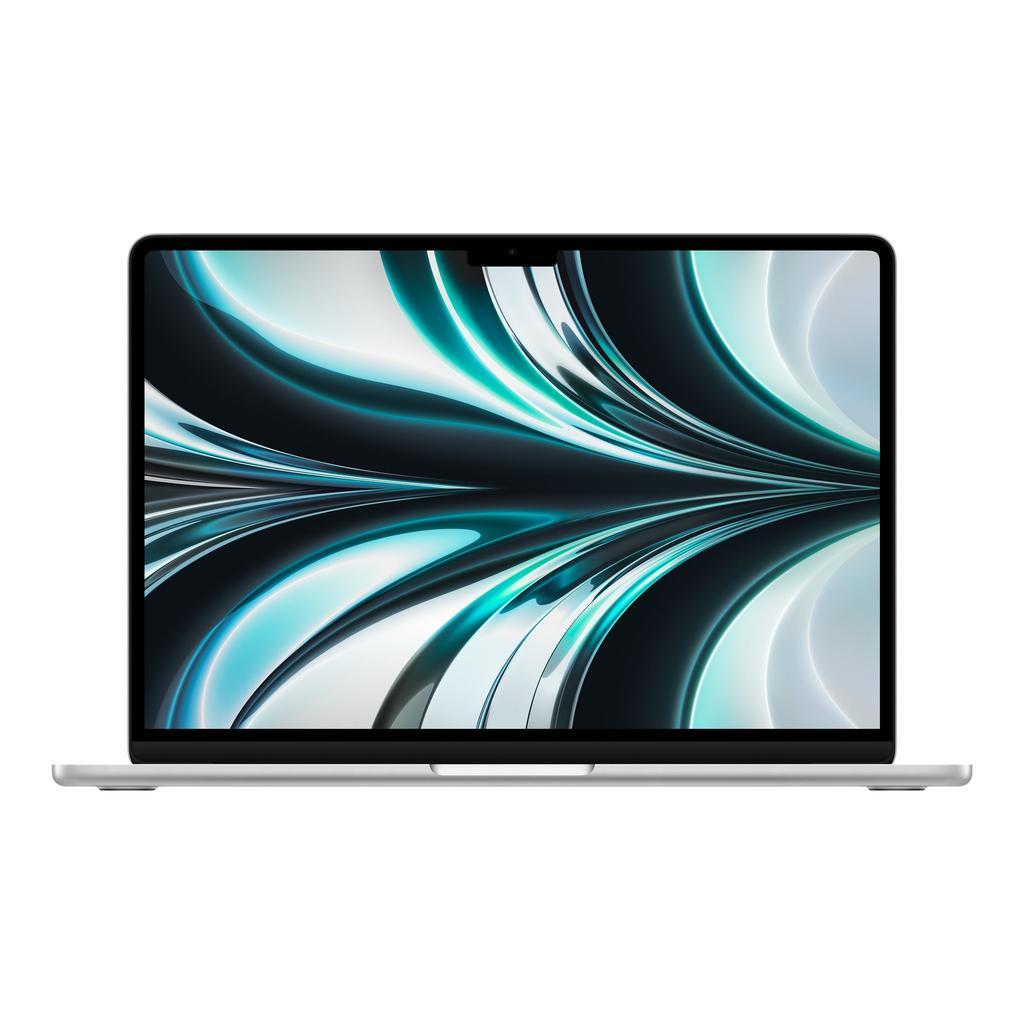
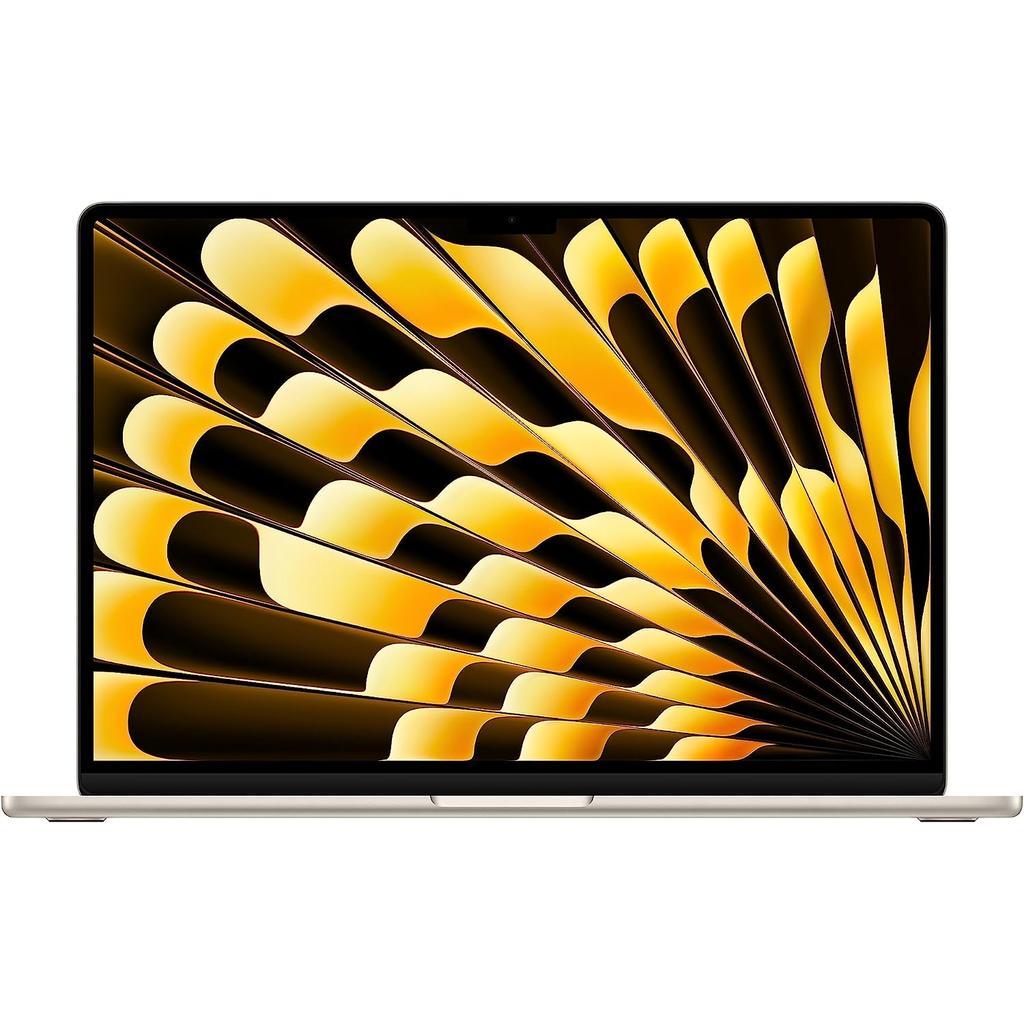
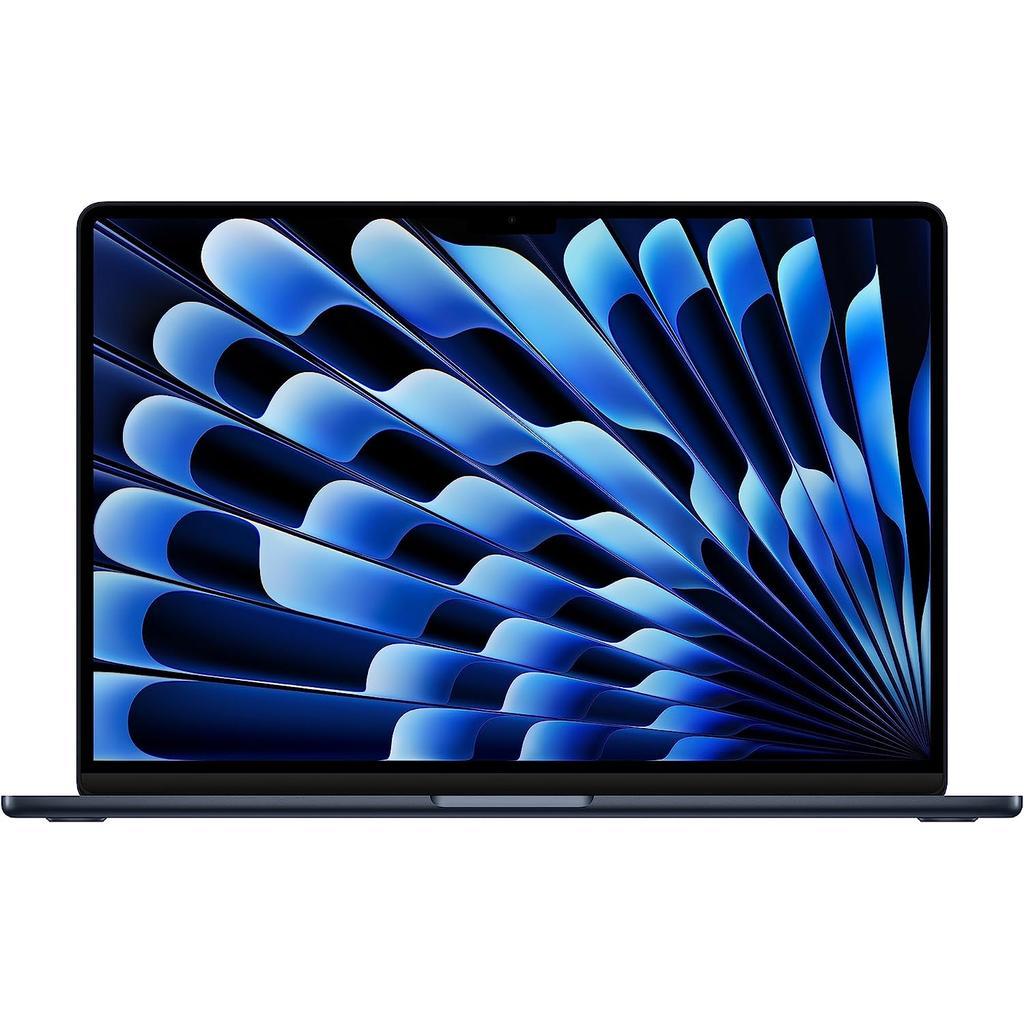
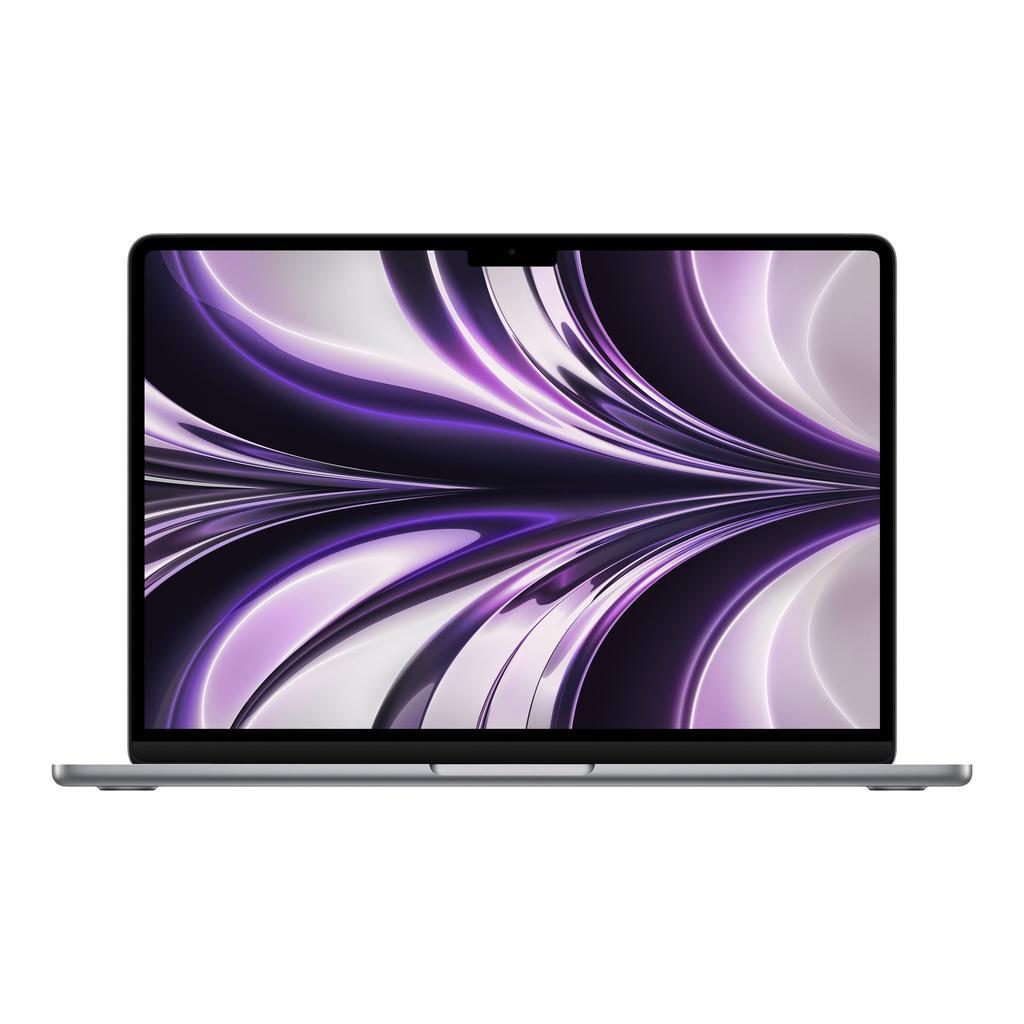
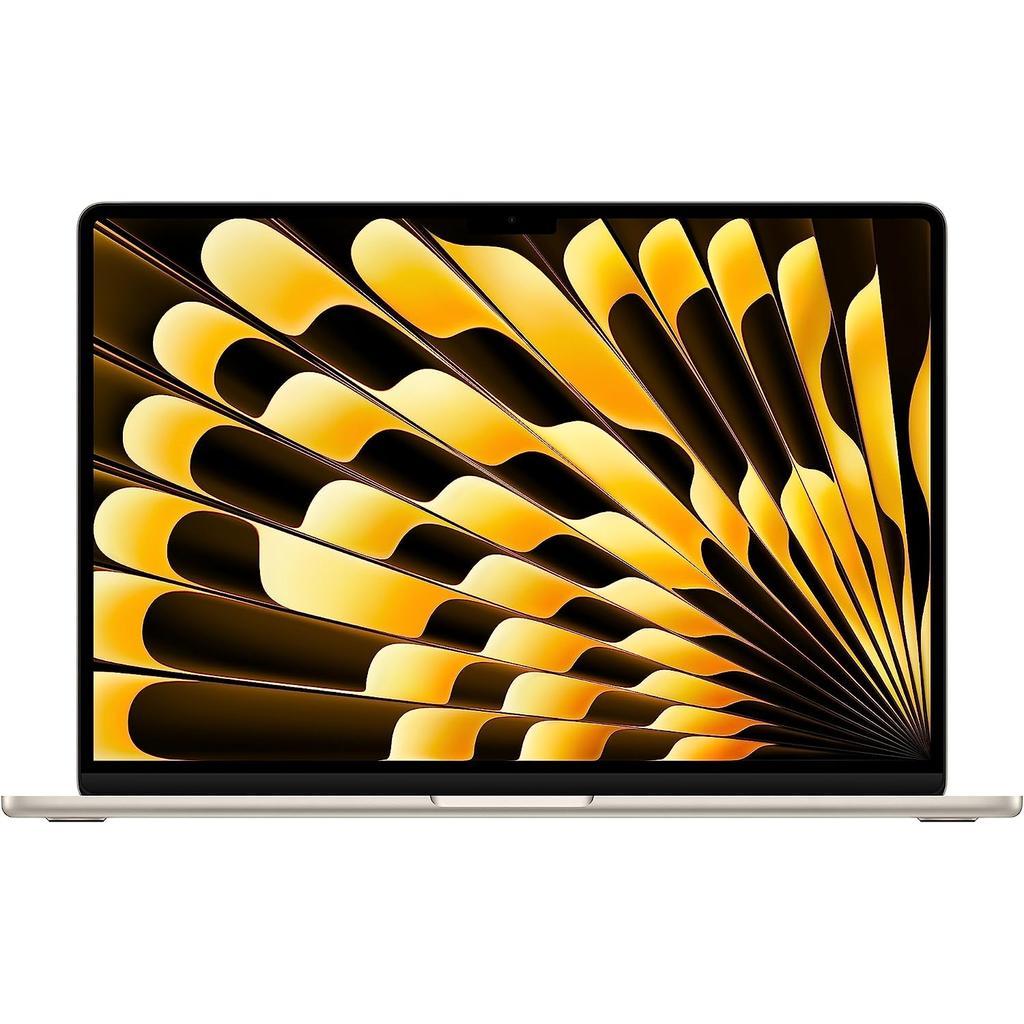
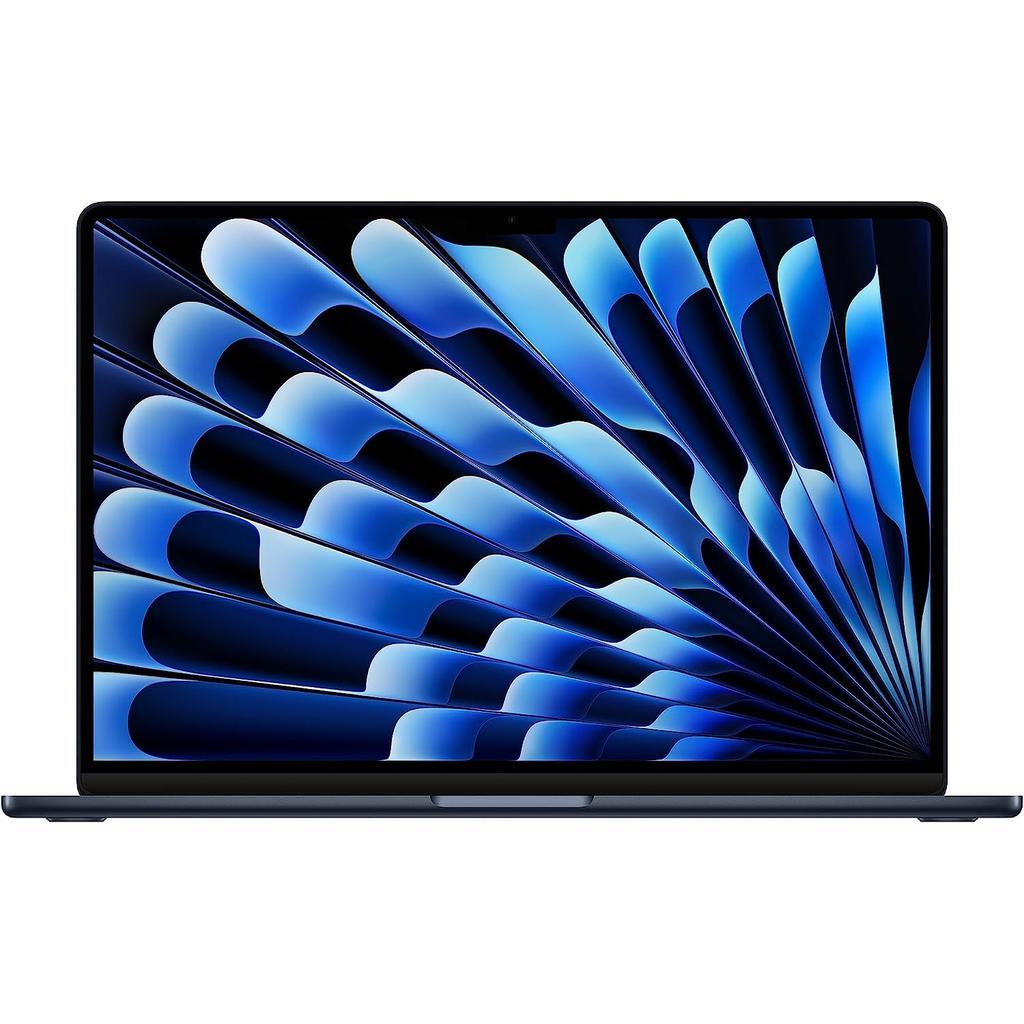
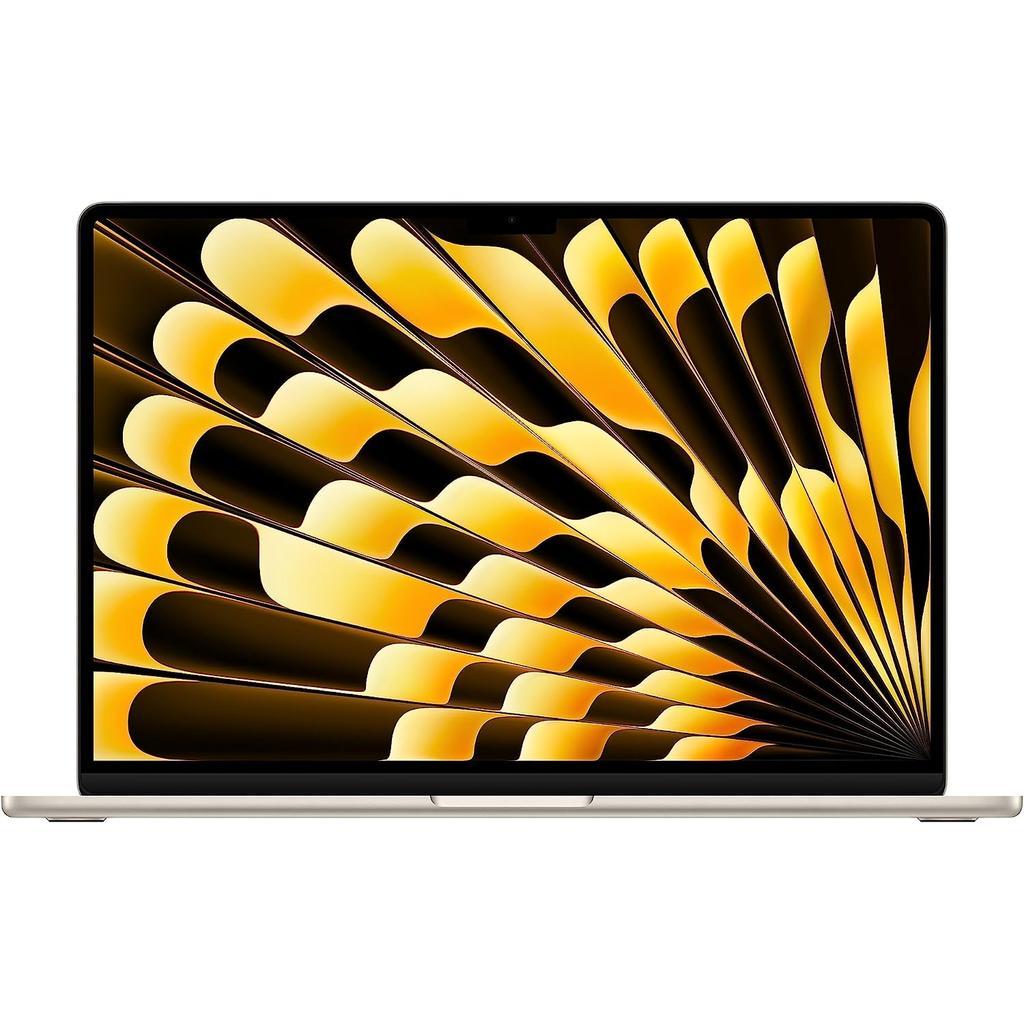
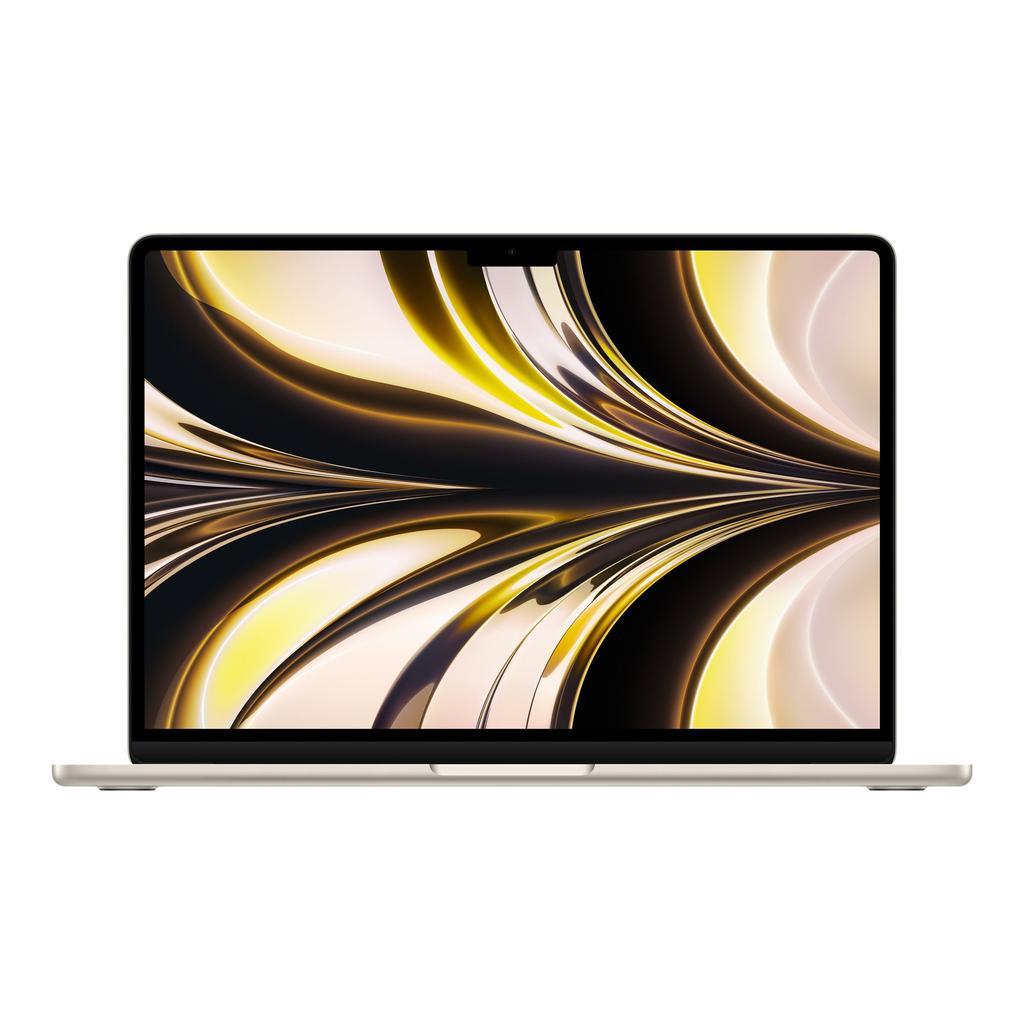
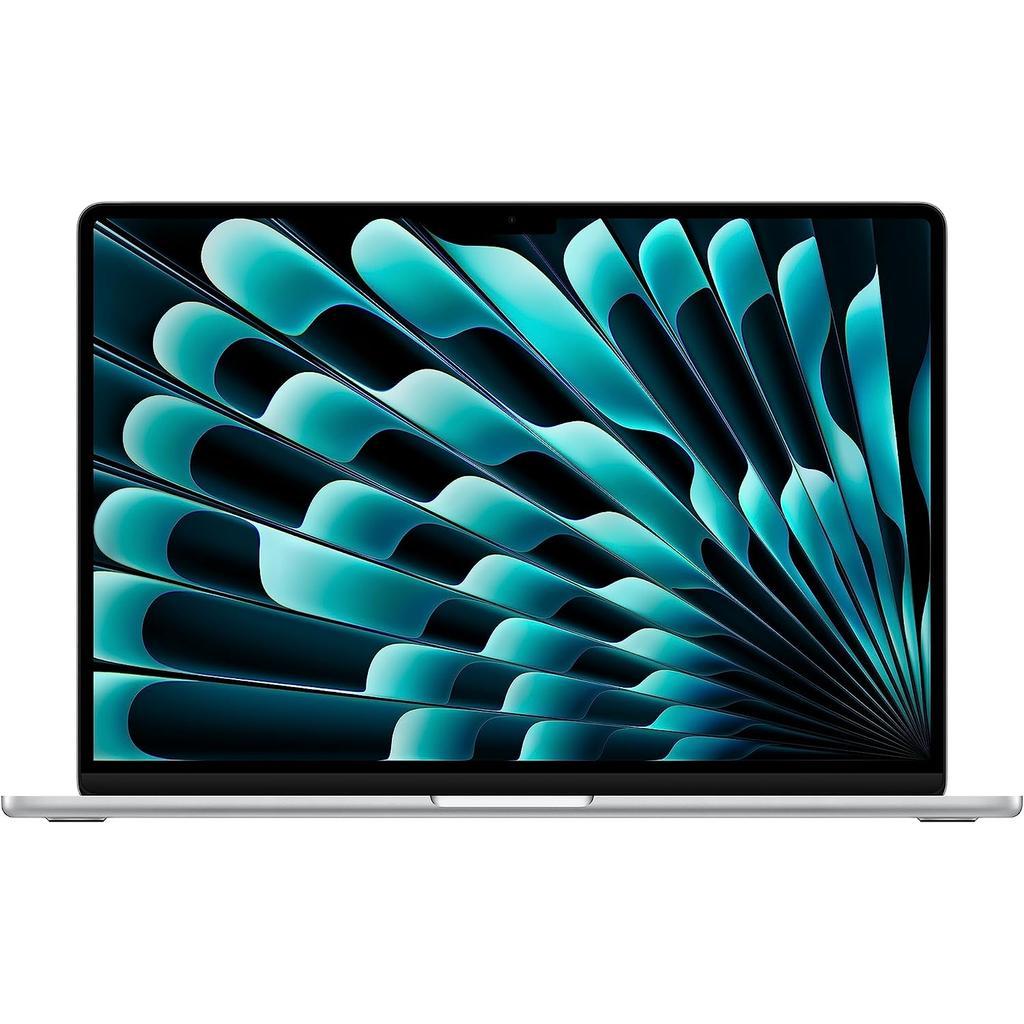
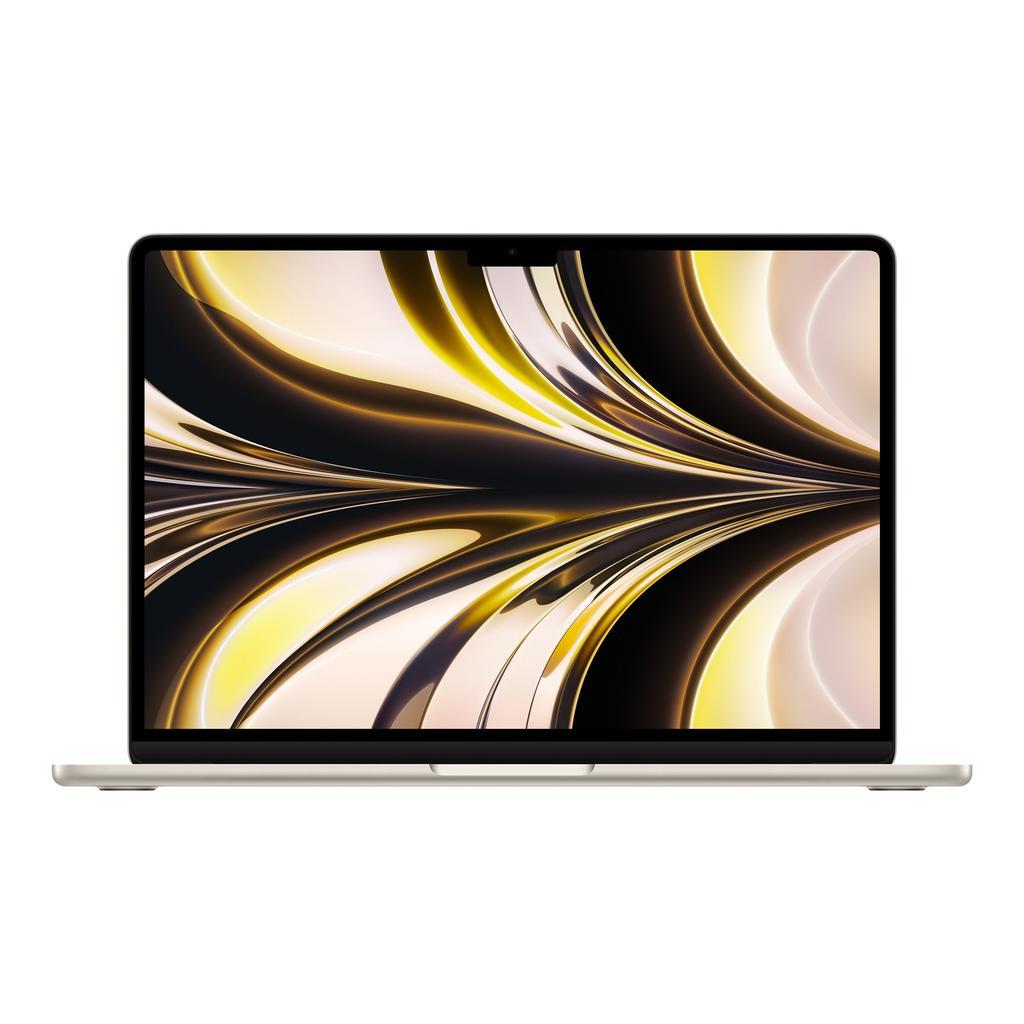
Display: Liquid Retina 13.6' (2560x1664, 224 ppi, 500 nits, P3, True Tone). Chip: M2 (5nm, 8-core CPU 4P+4E, 8 or 10-core GPU, 16-core Neural Engine, 15% faster than M1). RAM: 8GB, 16GB, 24GB unified. Storage: 256GB, 512GB, 1TB, 2TB SSD. Battery: up to 18h. Ports: 2x Thunderbolt 4/USB 4 + MagSafe 3. Webcam: 1080p. Weight: 2.7 lbs. 4 colors.
Yes, measured! 256GB M2 SSD: 1 NAND chip = 1500 MB/s read. 512GB+ M2 SSD: 2 NAND chips = 3000 MB/s read (2x faster). Real impact: app launches 0.5-1s slower, file copy 2x slower. For daily use (web, office): minimal difference. For creatives (Photoshop, Final Cut): get 512GB minimum. The MacBook Air M1 256GB doesn't have this issue (2 chips).
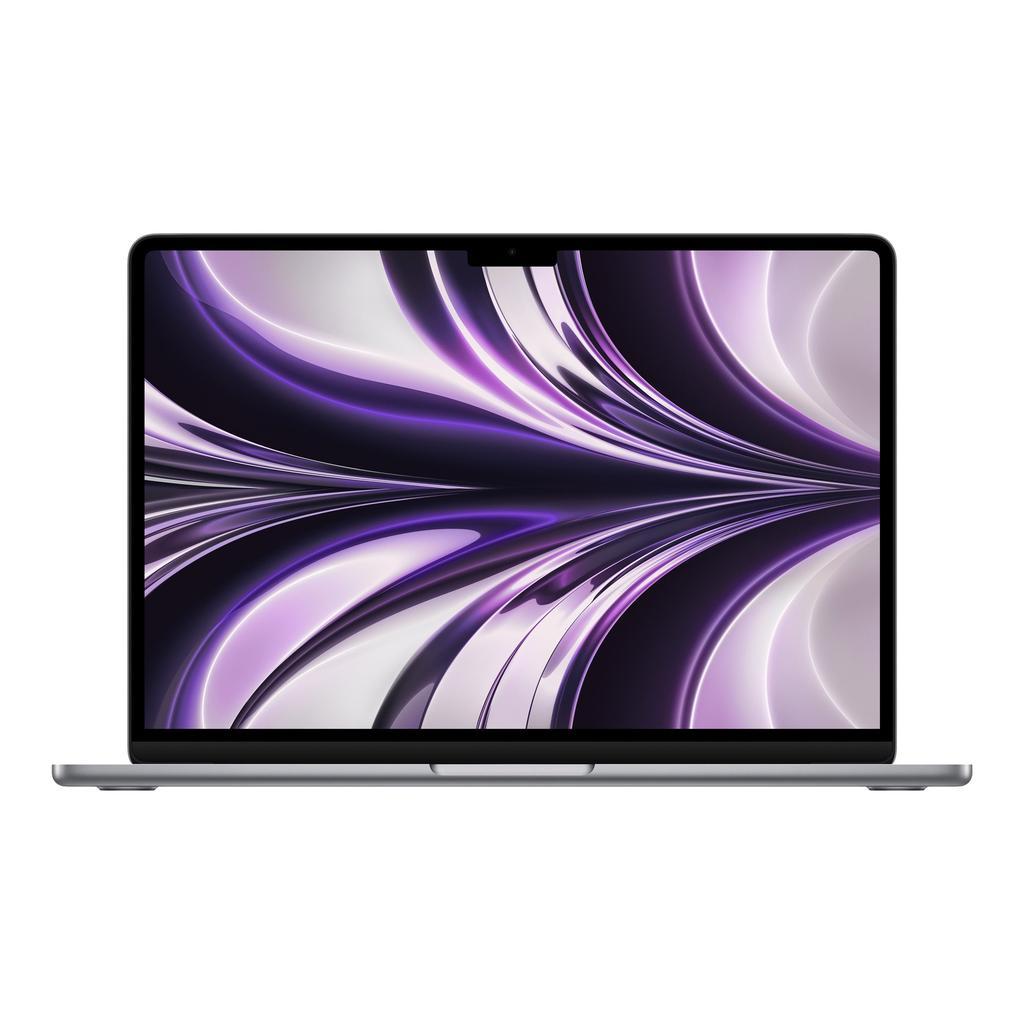
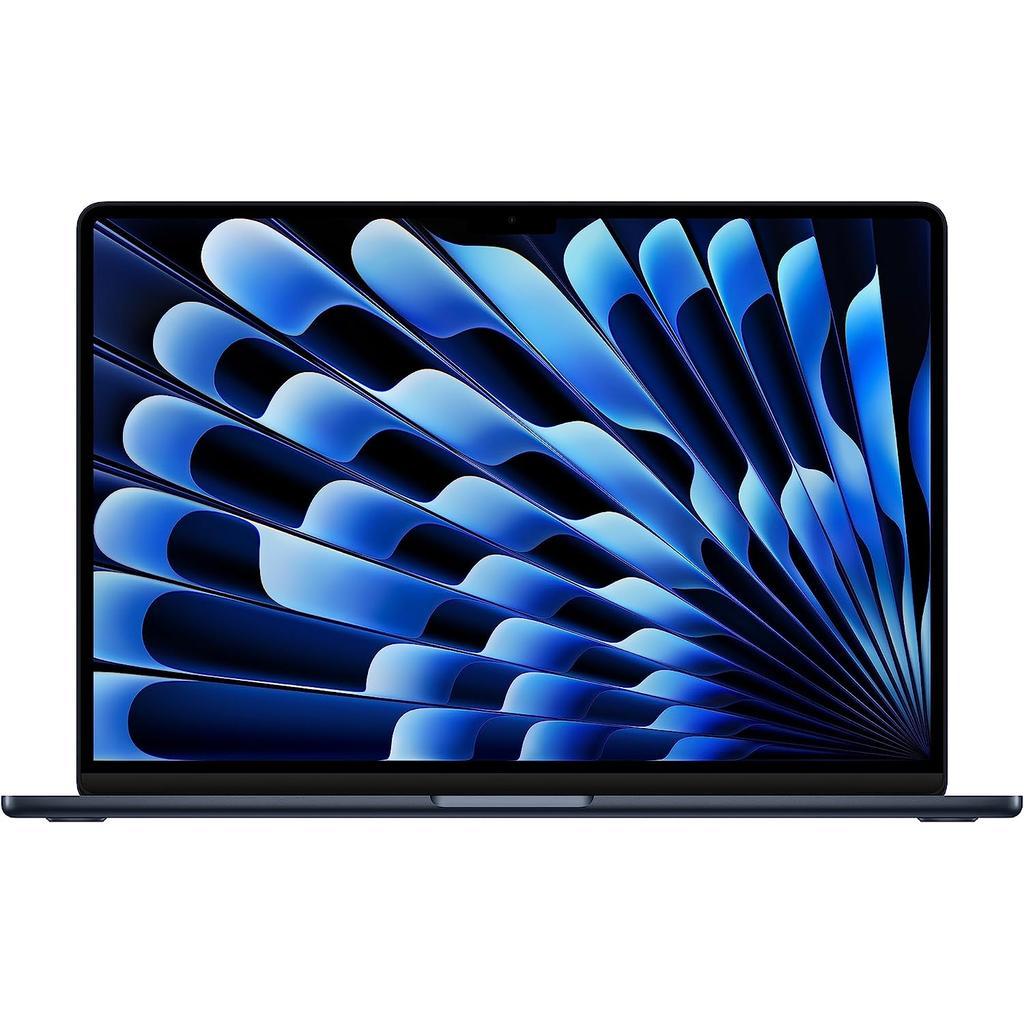
Depends on usage. M2 brings: +15% CPU/GPU performance, 13.6' display (vs 13.3'), +100 nits (500 vs 400), 1080p webcam (vs 720p), MagSafe (frees 1 port), modern design. Refurbished price: M2 ($800-1000) vs M1 ($600-800). For office/web: M1 is enough (95% of performance). For 4K video editing, pro design, or if you want the latest design: M2 is worth it.
Yes, but limited. M2 10-core GPU: equivalent to GTX 1650 mobile. Native macOS games: Resident Evil Village (1080p Medium 40-50fps), Baldur's Gate 3 (1080p Low 30-40fps), No Man's Sky (1080p Medium 35-45fps). Limitations: no fan (throttling after 15min), limited macOS game catalog. For serious gaming, prefer Windows PC or console. For casual gaming: M2 is decent.